The Truth About Real Y2K Fashion: What Instagram Gets Wrong
Real Y2K fashion emerged from the unique cultural landscape of the early 2000s, producing some of the most divisive style choices in modern history. While modern interpretations often romanticize these trends, the reality is more complex. Most people thought this era's clothing was tacky and unflattering at the time. The distinctive aesthetic reflected society's chaotic relationship with rapid digital advancement and millennium fears, creating looks that people later cringed at in old photos.
Authentic Y2K Style vs Modern Instagram Interpretations
The millennium created unprecedented cultural shifts that influenced fashion in ways that seemed exciting then but questionable later. Authentic early 2000s fashion trends captured the era's paradox through jarring contrasts—think futuristic metallics paired with organic textures, or sleek minimalism clashing with maximalist bling accessories.
Unlike today's polished social media versions, genuine millennium fashion was chaotic and often unflattering. The era's style reflected actual cultural anxiety and technological uncertainty, not the carefully curated costume versions we see online today.
Y2K and 90s-2000s trends have generated over 13.1 billion TikTok views. But these modern interpretations create a sanitized fantasy that ignores how people actually felt wearing baggy pants with tribal prints and white belts to school every day. The nostalgia cycle phenomenon has transformed former fashion disasters into coveted vintage aesthetics.
Key Elements That Defined Early 2000s Fashion Trends
Essential components of authentic millennium style included several now-iconic pieces that were considered questionable even then. Tribal prints dominated everything from pants to accessories, often appropriating cultural designs without context. Baggy pants created unflattering silhouettes that many wearers later regretted.
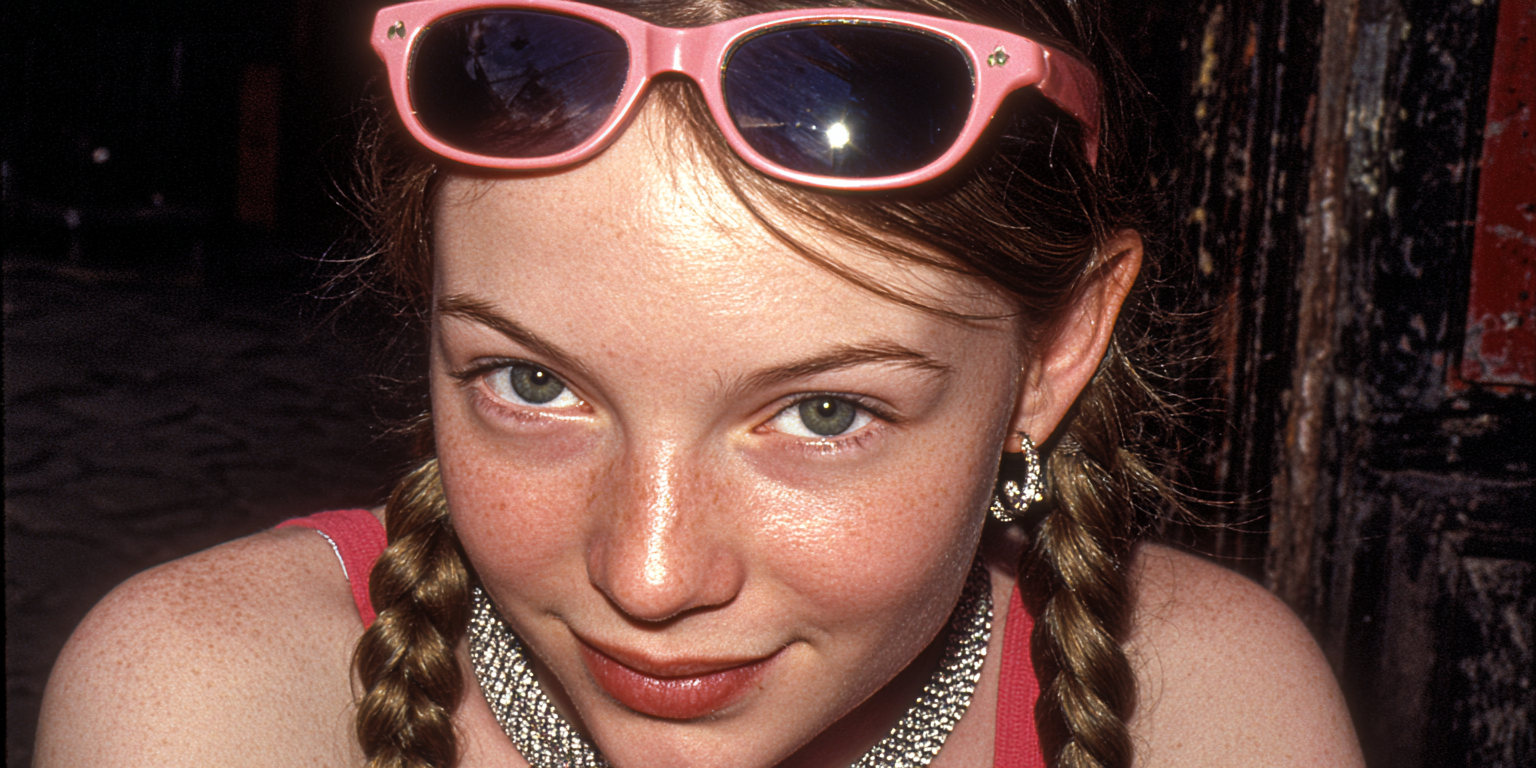
White belts became the ultimate accessory, appearing on everyone from mall shoppers to celebrities. Bling accessories reflected hip-hop culture's mainstream breakthrough through chunky jewelry, rhinestone everything, and metallic details. Oversized sunglasses served as status symbols, replacing tiny frames with enormous lenses that often overwhelmed faces.
Platform shoes, metallic fabrics, and chunky highlights completed these experimental looks. Current revival trends show remarkable growth—cowl-neck tops have seen +20% growth among European trendsetters, and low-rise bottoms have been rising since 2020.
The Role of Y2K Clothing Brands 2000
Mall fashion brands like Limited Too, Wet Seal, and department store labels dominated the landscape. These retailers made experimental styles accessible to teenagers and young adults. Juicy Couture tracksuits became cultural touchstones, while matching denim-on-denim outfits seemed sophisticated at the time.
Cultural Forces Behind Millennium Fashion Facts
Pop culture icons like Britney Spears and Christina Aguilera shaped early 2000s aesthetics through bold, often excessive choices. MTV's cultural dominance amplified these influences, creating constant demand for attention-grabbing looks that pushed fashion boundaries.
Celebrity excess reached legendary proportions during this period. Paris Hilton's velour tracksuits epitomized the era's commitment to comfort-luxury fusion. However, Instagram's polished aesthetic presents a sanitized version of what was often messy, experimental fashion.
Fashion Club President Evelyne Genovesi explains the modern revival: "A lot of trends and movies are referencing it a lot more, and thrifting got more popular... Stores started to bring back a lot of the clothing." This revival is driven primarily by Gen Z nostalgia spreading through social media rather than authentic cultural understanding.
The Reality Check: Low Rise Jeans 2000 and Daily Wear
Low rise jeans represented both aspiration and frustration in the early 2000s. They offered a sleek silhouette when they worked but created fit challenges for many body types. Constant adjustment became a daily reality for wearers who chose fashion over function.
These jeans sparked debates about appropriateness in schools and workplaces. They required specific body types to look flattering, leaving many wearers feeling self-conscious. Wide leg pants with prints offered more comfort while maintaining the era's love of bold patterns.
Platform flip flops became summer staples despite being impractical for walking. Accessories like butterfly clips and scrunchies dominated hairstyles, while frosted lip gloss and blue eyeshadow trends completed the look. These elements combined to create outfits that seemed futuristic but often appeared costume-like in daily wear.
Today's revival shows impressive market potential. Y2K-inspired tops are projected to capture 20% of Amazon's women's fashion market share by 2026. Winter coat sales are expected to grow 15% year-over-year by Q4 2025.
Y2K Fashion Reality Check: Authentic Chaos vs Curated Perfection
Modern social media presents a stark contrast to authentic early 2000s style reality. Instagram showcases perfectly styled, professionally photographed outfits, while original millennium fashion was often chaotic, mismatched, and experimental in genuinely unflattering ways.
The disconnect becomes clear when comparing authentic photos from the era to modern recreations. Original styling mixed high and low fashion democratically but often unsuccessfully. This reflected the era's experimental approach to culture and technology.
Current revival efforts treat 2000s style as a "cultural moment" detached from its uncomfortable historical context. Most interpretations emphasize celebrity influence and sustainability rather than the original era's specific anxieties about technology and cultural change.
The Role of Velour Fabric Fashion
Velour fabric fashion dominated the luxury-casual category through brands like Juicy Couture. These tracksuits represented a new category of high-end comfort wear. However, they often looked dated within just a few years, showing how quickly trends shifted during this experimental period.
Evolution Throughout the Decade's Style Disasters
The aesthetic evolved significantly throughout the early 2000s period. Initial millennium optimism gradually shifted toward more grounded interpretations following major cultural events. Technology itself influenced these trends in unexpected ways—early digital cameras affected makeup choices because flash photography was harsh.
Regular people cherry-picked extreme runway trends and celebrity looks, adapting these elements into wearable versions with mixed success. The result was widespread experimentation that produced both innovation and fashion disasters.
Neon fashion existed but appeared more often in club wear than daily outfits. Flashy celebrity style influenced mainstream fashion but represented only extreme interpretations that regular people adapted less successfully.
Creating Authentic Looks Today: Embracing the Imperfect Reality
Understanding the cultural context remains essential for recreating genuine early 2000s aesthetics. Focus on the era's experimental spirit rather than Instagram's polished perfection. Accept that authentic recreation might look unflattering by today's standards.
Start with key authentic pieces: baggy pants with tribal prints, white belts as statement accessories, and bling jewelry that borders on excessive. Add oversized sunglasses for genuine early 2000s attitude. Layer different textures and mix unexpected combinations, even if they don't photograph perfectly.
Incorporate metallic and pastel color palettes thoughtfully. Remember that original excess often looked overwhelming in person. The goal isn't creating Instagram-worthy content but understanding a complex cultural moment.
Balance experimental elements with the reality that many original wearers felt uncomfortable in these clothes. True authenticity comes from understanding the era's cultural complexity, daily struggles, and genuine fashion disasters.
Ready to explore authentic millennium style beyond Instagram fantasy? Start by examining real photos from the era rather than modern interpretations. Understand the cultural context, embrace the imperfections, and remember that fashion history includes both triumphs and disasters.
Remember: genuine early 2000s clothing was often considered tacky by the people wearing it. The clothes frequently didn't fit well, the combinations seemed questionable even then, and people genuinely cringed at old photos years later. Embrace that experimental, imperfect spirit rather than social media's sanitized version. Today's revival is driven more by nostalgia than understanding the original cultural forces and daily realities that shaped these controversial trends.