The Truth About Real Y2K Fashion: What Instagram Doesn't Show You
Real Y2K fashion made its dramatic return following the predictable 20-year fashion cycle—where styles naturally resurface roughly two decades after their original peak. But by 2026, the reality looks quite different from what initially flooded social media feeds.
This authentic millennium-era aesthetic emerged from a unique cultural moment. It featured distinctive elements that modern interpretations often miss or sanitize. Understanding genuine early 2000s fashion trends versus today's evolved versions reveals fascinating insights about style culture from that era.
Authentic Y2K Style vs Instagram Fantasy
Social media platforms like TikTok and Instagram have been instrumental in popularizing millennium fashion trends. Influencers showcased nostalgic aesthetics for modern audiences and accelerated trend adoption. However, this created a polished version that initially sanitized the era's more experimental moments.
The platforms focused on photogenic highlights while ignoring the chaotic reality. They presented a carefully curated version that bore little resemblance to original millennium fashion.
The Messy Truth About Original 2000s Trends
The truth? Authentic styles from this era were often considered ugly and uncool at the time. Many trends were awkward, experimental, and deliberately challenged conventional style rules.
Fashion critics dismissed these looks as tasteless. The general public often found them overwhelming or unflattering. Store clerks would joke about the "weird" combinations customers were buying.
Original clothing trends from 2000 included bold tribal prints, oversized graphics, and unconventional proportions. These elements created looks that today's influencers initially overlooked or toned down for social media appeal.
The genuine aesthetic was messier and more experimental than current digital representations suggest. It embraced visual chaos over polished coordination. Outfits combined clashing patterns, extreme proportions, and questionable color combinations with unapologetic confidence.
However, by 2026, this style has adapted rather than disappeared. It has transitioned from a bold revival trend into a subtle style language that can be interpreted in multiple ways.
What Actually Defined Millennium Fashion Facts
The turn of century clothing scene was dominated by specific elements that seem almost alien today. Understanding these authentic pieces reveals how far modern interpretations have evolved to meet contemporary needs.
Tribal Prints: The Controversial Pattern Explosion
Tribal prints weren't just fashion statements. They represented a problematic but prevalent trend that dominated store racks and street style throughout this period.
These prints appeared on everything from zip-up hoodies to wide-leg pants. They often combined multiple patterns in ways that would challenge today's minimalist sensibilities. A single pair of pants might feature geometric diamonds, abstract swirls, and flame-like designs all competing for attention.
The tribal print phenomenon drew from various global cultures without much consideration for cultural sensitivity. African-inspired geometrics mixed with Native American patterns and Celtic knots.
Popular combinations included tribal print baggy pants with metallic tube tops, or tribal graphic tees layered over mesh long sleeves. The goal was maximum visual impact rather than cultural respect or aesthetic harmony.
Bling Accessories: Maximum Shine Philosophy
Bling accessories in the 2000s went beyond oversized jewelry. The aesthetic included metallic graphic shirts, reflective accessories, and holographic details that caught light from every angle.
White belts became staples of the era. They weren't just functional pieces but statement elements that broke up outfits and added visual interest. These belts were often worn with everything—low rise jeans 2000, mini skirts, even over dresses and long shirts.
Chunky chain necklaces, oversized hoop earrings, and butterfly clips and scrunchies completed the bling look. Many accessories featured rhinestones, sequins, or metallic finishes that created maximum sparkle under mall lighting.
The bling philosophy embraced "more is more" in ways that seem excessive by today's standards. A typical outfit might include multiple chain necklaces, several rings, sparkly hair accessories, and a metallic purse all worn simultaneously.
However, contemporary styling approaches increasingly blend these accents strategically with minimalist bases. This allows pieces like metallic bags, printed baby tees, or sparkly knits to transform simpler outfits without demanding complete wardrobe overhauls.
Original Y2K Clothing Brands 2000 Elements You've Forgotten
Baggy Graphic Pants: The Silhouette Revolution
Wide-leg pants with bold graphics defined proportions during this era. These weren't subtle design elements but dominant visual statements that covered entire leg surfaces with eye-catching designs.
Baggy graphic pants featured everything from cartoon characters to abstract designs. Popular motifs included flames, tribal patterns, anime characters, and graffiti-style text. The graphics often wrapped around the entire leg, creating a walking billboard effect.
They paired with fitted tops to create dramatic silhouette contrasts. A tiny baby tee might be worn with pants wide enough to hide an entire second person. The proportions were more extreme than modern interpretations suggest.
Today's "baggy" pants would have seemed fitted by millennium standards. Authentic baggy pants often measured 20+ inches at the hem, creating a bell-bottom effect that dragged on the ground.
Technology-Inspired Aesthetics
Fashion from this period embraced futuristic elements that reflected optimism about the digital age. Metallic fabrics, holographic details, and reflective materials dominated entire outfits rather than serving as subtle accents.
Popular tech-inspired pieces included holographic mini backpacks that shifted colors in light, metallic pleated skirts that looked like liquid mercury, and reflective track jackets worn as everyday streetwear. Clear plastic accessories and shoes, plus LED-lit jewelry completed these looks.
These elements weren't subtle accents. They created looks designed for a space-age future with unapologetic boldness. The goal was to look like you belonged in a sci-fi movie rather than blend into everyday life.
Y2K Fashion Reality Check: Debunking Nostalgia Myths
The Low-Rise Jeans Truth
Low-rise denim from this era was more extreme than most people remember. These weren't "slightly lower" waistlines but genuinely hip-sitting cuts that rode several inches below the natural waist.
The rise typically measured 6-7 inches from crotch to waistband, compared to today's "low-rise" revival jeans that measure 8-9 inches. They often revealed underwear as an intentional styling choice, with thong straps deliberately visible above the waistband.
Popular styling included wearing these ultra-low jeans with cropped tops that left several inches of midriff exposed. The look was deliberately provocative in ways that seem almost shocking by current modest fashion standards.
This difference highlights how current interpretations prioritize comfort over authenticity. Modern "low-rise" cuts would have been considered conservative by millennium standards, reflecting broader shifts toward sustainability and investment pieces.
Why Original Styles Were Initially "Ugly and Uncool"
Many trends from this period were deliberately anti-fashion. They challenged conventional beauty standards and embraced awkward proportions that fashion experts criticized.
The experimental nature meant many combinations genuinely didn't "work" by traditional standards. Clashing patterns, unflattering fits, and excessive accessories created looks that violated basic style rules.
Fashion magazines regularly featured "don't" columns showcasing street style from this era as examples of what to avoid. The mainstream fashion industry initially rejected many elements that later became nostalgic touchstones.
This context explains why current refined versions feel safer but less innovative than the originals. The sanitized revival lacks the rebellious edge that made the original aesthetic culturally significant.
Timeline-Specific Revival Trends
2025: The Tribal Print Resurgence
Tribal prints made their comeback in 2025, but with modern ethical considerations. Designers began reinterpreting these patterns with cultural sensitivity and attribution to their origins.
Brands collaborated with indigenous artists and cultural consultants to create respectful interpretations. The new versions maintained the bold visual impact while addressing the problematic origins of the original trend.
Contemporary tribal-inspired prints focus on abstract geometrics rather than direct cultural references. They capture the visual energy while avoiding cultural appropriation concerns.
2026: Refined Aesthetic Integration
Rather than remaining a dominant headline trend, the aesthetic has matured into a more refined, wearable approach. The trend has softened considerably, now focusing on subtle references rather than head-to-toe commitment.
This evolution makes elements more adaptable to everyday wardrobes. Instead of full costume changes, people incorporate strategic pieces into contemporary outfits.
In 2026, this style remains relevant not as a dominant wardrobe staple but as an influential design reference informing silhouettes, cuts, and styling choices across the industry. Its endurance stems from adaptability—by evolving with cultural shifts and consumer priorities, it has avoided becoming obsolete.
Mall Fashion Brands Accessories That Defined the Era
White Belts: The Universal Statement Piece
White belts became the defining accessory, worn with virtually everything regardless of color coordination. These weren't subtle leather strips but bold statement pieces, often 2-3 inches wide with oversized buckles.
The belts featured various textures: patent leather, canvas webbing, chain links, or studded designs. Many included decorative elements like grommets, rhinestones, or logo hardware that added visual weight.
Popular styling included wearing white belts over dresses, with jeans, around oversized shirts, and even over layered tank tops. The contrast effect was the goal—disrupting outfit flow with a bold horizontal line.
Oversized Sunglasses: Architecture Over Flattery
Oversized sunglasses during this period were architectural rather than flattering. These frames prioritized statement impact over subtle enhancement or face-flattering proportions.
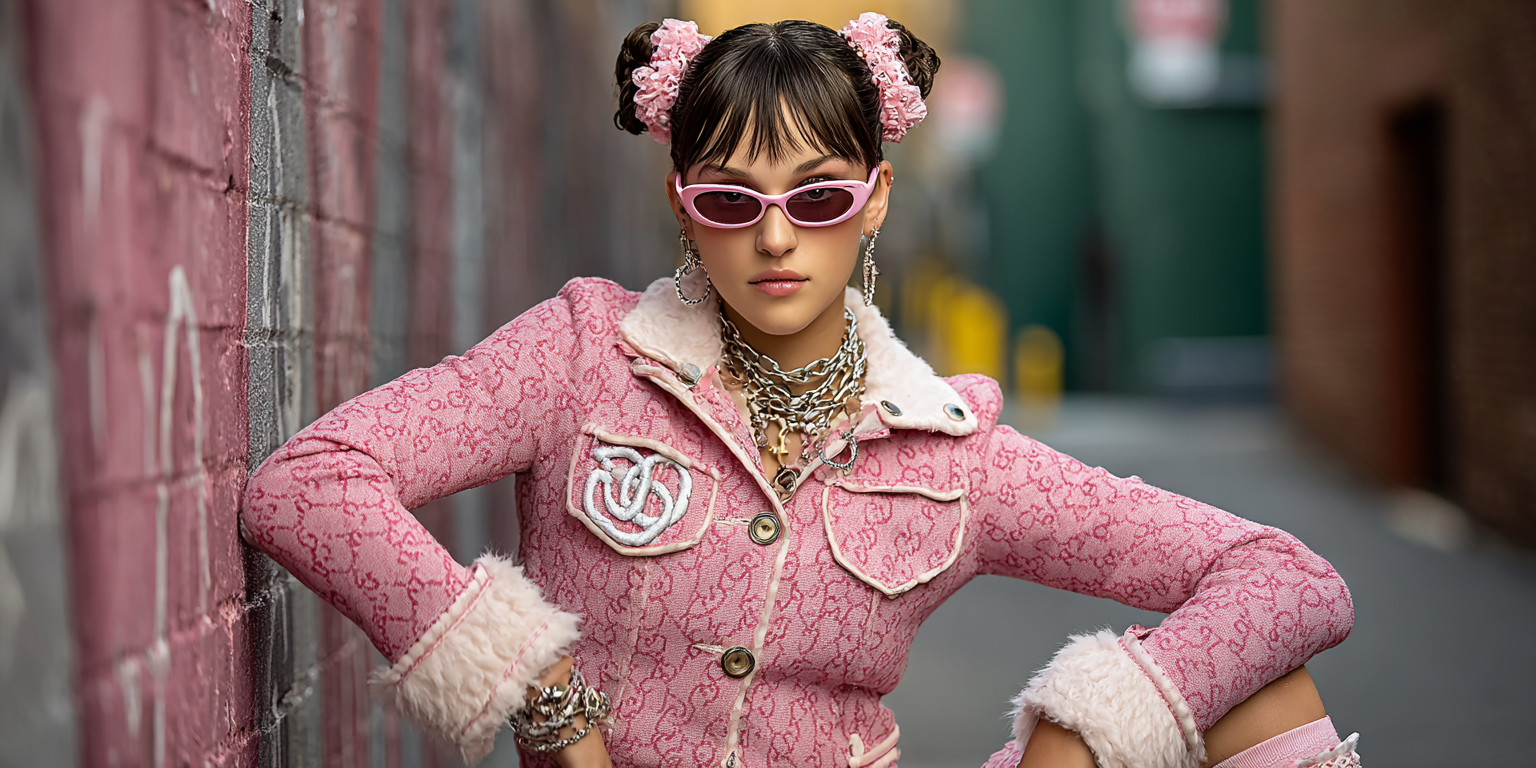
Popular styles included bug-eye shapes that covered half the face, wraparound sports styles worn as everyday accessories, and geometric frames with unusual angles. The lenses often featured colored tints: blue, pink, yellow, or gradient effects.
They weren't carefully proportioned like today's versions. The deliberate excess created dramatic face-framing effects that demanded attention and often overwhelmed facial features.
The Bling Revolution and Frosted Lip Gloss Era
Bling accessories embraced maximum shine through layered jewelry combinations. Multiple chain necklaces of different lengths created cascading metallic effects across the chest.
Chunky hoop earrings reached shoulder-grazing proportions. Hair accessories included butterfly clips, zigzag headbands, and decorative bobby pins worn in clusters rather than singles.
The neon revolution wasn't limited to accent colors. Entire outfits embraced electric pinks, lime greens, and bright oranges that glowed under artificial lighting. Blue eyeshadow trends and frosted lip gloss completed these flashy celebrity-inspired looks that influenced mainstream fashion.
How Original Styles Differed from Today's Version
Proportion Play and Layering Extremes
Authentic styling involved dramatic proportion contrasts that modern interpretations moderate for broader appeal. The extreme combinations challenged conventional fashion rules through deliberate imbalance.
Oversized tops paired with fitted bottoms created silhouettes that emphasized the contrast rather than creating flattering lines. A massive graphic hoodie might be worn with skin-tight low-rise jeans and pointed-toe heels.
Layering reached extreme levels: tank tops over long sleeves, multiple belts, several necklaces, and accessories piled on without restraint. The goal was visual complexity rather than refined coordination.
The Experimental Spirit vs. Polish
The genuine aesthetic embraced experimentation over polish. Outfits combined elements that "shouldn't" work together according to traditional style rules, celebrating the chaos rather than trying to fix it.
This experimental approach created unique personal styles rather than following strict aesthetic guidelines. The messiness was intentional and celebrated as a form of creative self-expression.
Today's approach focuses on subtle references rather than head-to-toe commitment, making the aesthetic more adaptable to contemporary lifestyles. The refined versions prioritize wearability over authenticity, reflecting changing consumer priorities.
Shopping for Authentic Vintage vs Modern Reproductions
Identifying Genuine Pieces from Wet Seal Clothing and Limited Too Style
Genuine vintage pieces from this era have specific construction details that reproductions often miss. Authentic items feature particular stitching techniques, fabric qualities, and hardware that mass-produced modern versions cannot replicate.
Tags and labels provide authentication clues. Brands like Wet Seal clothing, Limited Too style pieces, JNCO, Kikwear, UFO, and Tripp NYC used specific labeling systems and size charts that differ from contemporary standards.
Authentic pieces often show wear patterns specific to their construction. Low-rise jeans develop distinctive fading patterns, while baggy pants show hem wear from dragging on the ground.
Sizing and Fit Differences
Authentic pieces follow different sizing standards than contemporary clothing. Jeans labeled as size 7 might measure closer to today's size 4, while "medium" tops from the era often fit like current small or extra-small sizes.
Understanding these discrepancies helps avoid sizing mistakes when shopping vintage online. Many authentic pieces require size-up purchases to achieve comparable fits to modern clothing.
Where to Find Genuine Vintage Treasures
Specialized vintage retailers and online platforms offer authenticated pieces, though they require knowledge to navigate effectively. Vestiaire Collective, TheRealReal, and Rebag focus on luxury pieces from this era, while eBay and Depop offer broader selections at various price points.
Estate sales and thrift stores can yield authentic finds for dedicated searchers, particularly in suburban areas where people stored rather than discarded clothing from this period. Understanding regional differences helps target promising locations.
The Cultural Impact of Juicy Couture Tracksuits Era
Fashion as Millennial Optimism
The original aesthetic reflected genuine optimism about the new millennium and technological advancement. Clothing embraced futuristic elements and global influences with hopeful experimentation about what the future might hold.
This cultural context explains why authentic pieces feel more adventurous than today's careful recreations. The optimism translated into fearless style choices that embraced change rather than playing it safe.
The experimental spirit stemmed from economic prosperity and cultural confidence that encouraged fashion risks. People felt free to try unconventional combinations because the future seemed full of possibilities.
Celebrity Influence vs Street Creativity
While celebrity culture shaped trends through red carpet appearances and music videos, street-level interpretations often pushed boundaries further. Juicy Couture tracksuits and velour fabric fashion became accessible luxury that regular people adapted creatively.
These grassroots adaptations showed more creativity than sanitized celebrity versions. The experimental spirit flourished at the street level, where people mixed authentic elements with local influences and personal preferences.
Regional variations created distinct subcategories: West Coast skater influence, East Coast hip-hop elements, and Southern club culture all contributed unique interpretations of the core aesthetic.
Why Modern Interpretations Have Evolved
Strategic Styling Over Total Commitment
Contemporary versions have evolved to remove the era's more challenging elements. Modern interpretations prioritize wearability and strategic integration over complete authenticity.
This creates versions that feel comfortable and practical while maintaining recognizable elements. A single metallic accessory or low-rise silhouette can reference the aesthetic without demanding total commitment.
The refined approach reflects changing consumer priorities around sustainability and investment dressing. People want pieces that work with existing wardrobes rather than requiring complete style overhauls.
The Instagram Filter Effect and Beyond
Social media's influence initially created styles that photographed well but missed tactile qualities. The focus on visual impact over physical presence changed how these styles functioned in real life.
However, by 2026, the aesthetic has moved beyond social media-driven trends toward more thoughtful integration into personal style. The evolution reflects maturation from trend-following to authentic style development.
This shift represents broader changes in how fashion trends develop and sustain themselves in the digital age, with longevity depending on practical application rather than social media appeal.
The Future of Platform Flip Flops and Authentic Revival
Sustainability Meets Nostalgia
Growing interest in sustainable fashion supports authentic vintage shopping over fast-fashion reproductions. This shift preserves more genuine elements while reducing environmental impact, aligning with broader shifts toward sustainability, resale culture, and investment pieces.
Vintage pieces offer authenticity and sustainability benefits that modern reproductions cannot match. They represent both environmental consciousness and style authenticity, appealing to consumers who value both factors.
The vintage approach also supports small businesses and individual sellers rather than fast-fashion corporations, creating a more ethical consumption model that honors the original pieces.
Technology Integration Possibilities
Future interpretations might incorporate modern technology that honors the original's futuristic aspirations. Smart fabrics, LED integration, and responsive materials could update the aesthetic appropriately for contemporary needs.
These innovations could maintain the experimental spirit while adding contemporary functionality. Imagine tribal prints that shift colors, or accessories that respond to music or movement, similar to how platform flip flops once represented the era's bold approach to footwear.
Such developments would honor the original optimism about technology while creating genuinely futuristic fashion rather than nostalgic recreation.
Embracing the Evolved Spirit
The lasting appeal of millennium-era fashion lies in its unapologetic boldness and experimental approach. But its 2026 evolution demonstrates remarkable adaptability that honors both authenticity and contemporary needs.
Understanding both the chaotic reality behind Instagram filters and the refined contemporary interpretation reveals a complex aesthetic. This fashion movement has successfully transitioned from revival trend to lasting influence on modern style.
The key lies in recognizing how this aesthetic has adapted rather than disappeared. Rather than demanding exact recreation, the evolved approach offers a framework for experimental styling that can be applied to contemporary wardrobes.
As this influential period continues to inform design choices across the industry, recognizing this evolution helps appreciate both its authentic innovative spirit and its practical modern applications.