The Truth About Real Y2K Fashion: What Instagram Gets Wrong About Early 2000s Style
Y2K Fashion Reality vs Instagram: A Tale of Two Eras
Modern Y2K fashion revivals are experiencing a complex evolution that challenges common assumptions about which elements are being embraced or avoided. Real Y2K fashion was far more extreme than today's sanitized social media interpretations suggest. Contrary to popular belief that controversial 2000s staples are being rejected, low-rise jeans are actually making a strong comeback in 2026.
According to recent runway data, skinny pants and low-rise silhouettes show significant growth on SS26 runways, with skinny pants demonstrating a +110% increase versus SS25 at Paris Fashion Week. What's actually happening represents evolution rather than avoidance. Modern Y2K fashion is maturing from a costume aesthetic into "a wardrobe language, where key shapes and accessories become modern staples rather than costume aesthetics."
Today's interpretations feature refined execution. Low rise jeans 2000s era silhouettes pair with structured fabrics rather than the original ultra-low versions. Strategic combinations blend with contemporary elements rather than head-to-toe recreations. The authentic 2000s clothing trends that actually dominated streetwear looked dramatically different from current revivals. But the gap is narrowing as authentic elements resurge with sophisticated updates.
What many don't realize is that much of this millennium fashion trends aesthetic was considered ugly or excessive even by those who lived through it. The era's boldest trends often drew criticism for being too flashy, impractical, or simply unflattering on most body types.
What Early 2000s Streetwear Truth Actually Looked Like
The Real Accessories and Graphics Scene
Authentic early millennium style centered around flashy elements that seem almost cartoonish today. White belts Y2K accessories were practically mandatory. These thick, stark white leather belts appeared on everything from low-rise jeans to mini skirts. They created harsh contrast lines that defined the era's aesthetic.
Metallic graphics 2000s t-shirts featured holographic text, chrome-effect logos, and futuristic fonts that screamed "millennium." Brands like Baby Phat and FUBU made these shimmering designs their signature look. The metallic fashion early 2000s movement extended beyond graphics to create chrome-effect clothing that caught light from every angle.
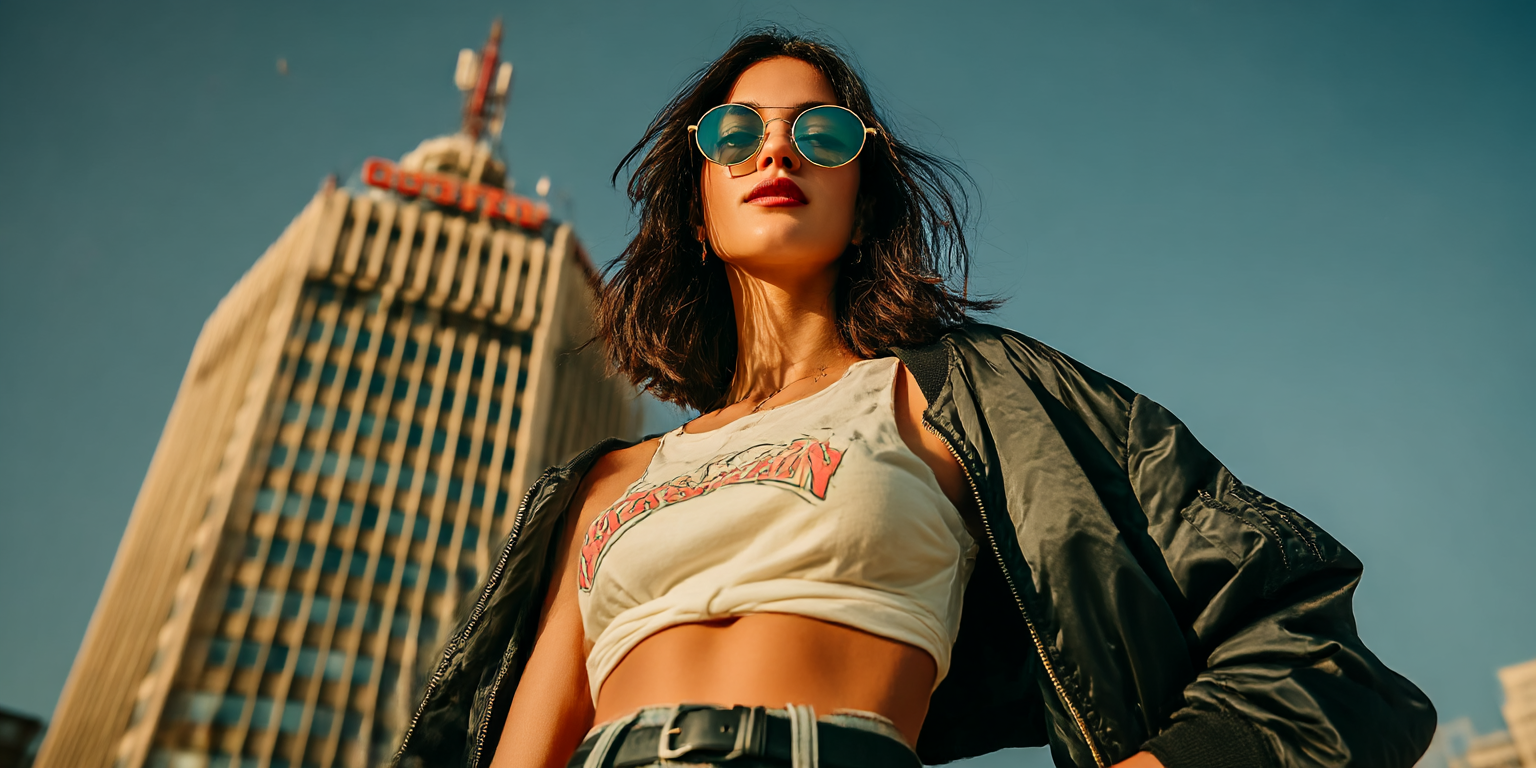
Oversized sunglasses early 2000s celebrities wore weren't just large – they covered half the face. Wraparound designs, colored lenses, and chunky plastic frames would look comically oversized by today's standards. Paris Hilton's bug-eye shades became the template everyone copied.
Zip up hoodies graphic motifs dominated casual wear everywhere. These weren't simple solid colors. They featured anime characters, graffiti-style text, rhinestone embellishments, and abstract cyber-punk designs. Brands like Ed Hardy and Von Dutch made careers from these over-the-top graphics. The hoodie culture extended beyond graphics to textures, with velour zip-ups in hot pink and baby blue becoming uniform pieces.
Tribal Print Y2K Clothing and Wide Leg Pants Revolution
Wide leg pants prints defined much of early 2000s streetwear, particularly among younger demographics. Baggy pants tribal prints featured geometric patterns, fake indigenous designs, and abstract motifs that borrowed from various cultures without consideration for appropriateness. These weren't subtle accent patterns – tribal print Y2K clothing dominated entire outfits.
Pants, tops, and accessories all featured bold geometric designs in contrasting colors. The wider the leg, the more space for dramatic prints that often clashed with equally bold accessories. JNCO jeans epitomized this trend with leg openings so wide they could hide entire shoes.
Some styles featured 50-inch leg openings that required special walking techniques to avoid tripping. UFO pants took it further with removable panels, chains, and reflective strips that jingled and flashed with every step. The tribal print phenomenon wasn't limited to pants – bandanas, bucket hats, and even temporary tattoos featured these geometric patterns.
Entire outfits could be coordinated in matching tribal prints, creating walking art installations that prioritized visual impact over subtlety. Cargo pants added another layer to the baggy trend with multiple pockets, chains, and straps that created utilitarian looks suggesting preparedness for any situation.
The Uncomfortable Reality of Low Rise Jeans 2000s Era Sizing
The infamous low rise jeans 2000s era created a beauty standard that was both impractical and exclusionary. These weren't the "low-rise" versions available today – they sat inches below the natural waistline. They required constant adjustment and specific body types to wear comfortably.
Brands like Juicy Couture and True Religion made their names on jeans that sat so low they required specially designed underwear to avoid exposure. The trend demanded flat stomachs and specific hip-to-waist ratios to look "right." This created impossible standards for many wearers.
The rise measurements told the story. While modern low-rise jeans typically feature 7-8 inch rises, authentic Y2K versions often measured just 5-6 inches. This meant the waistband sat at hip bone level, requiring strategic styling and constant awareness.
Now, fashion experts confirm that "low-slung jeans, that scandalous denim staple of the early 2000s, have made their way back onto the runway." Low-rise denim and cargo pants with multiple pockets are dominating Y2K outfits. They're echoing early 2000s streetwear with updated execution.
Bling Bling Fashion 2000s: When More Was Always More
Jewelry and Metallic Madness
Bling bling fashion 2000s stars popularized wasn't limited to expensive jewelry. Costume jewelry featuring oversized hoop earrings became essential accessories. Chunky chain necklaces and rhinestone-encrusted everything became mainstream staples. Door-knocker earrings reached absurd proportions, with some hoops measuring 6+ inches in diameter.
Metallic graphics 2000s extended beyond jewelry to clothing itself. Silver and gold lamé appeared everywhere. Holographic fabrics and chrome-effect materials covered everything from party dresses to casual t-shirts. The goal was maximum shine and reflection.
Body jewelry exploded during this period. Belly chains, toe rings, and ankle bracelets created layered metallic looks. Even temporary body gems allowed budget-conscious fashionistas to achieve the sparkled aesthetic without permanent commitment. The bling aesthetic influenced makeup and nail art too, with metallic eyeshadows and glittery lip glosses creating coordinated looks.
Neon Fashion Early Millennium Revolution
Neon fashion early millennium pieces literally glowed under blacklights. Club scenes looked like highlighter explosions. Hot pink, electric blue, acid green, and safety orange appeared on everything from eyeshadow to platform shoes.
This wasn't accent color usage – entire outfits featured head-to-toe neon. Pink velour tracksuits paired with lime green accessories and electric blue highlights. These combinations created looks that hurt to look at directly. Glow-in-the-dark elements took neon culture further, with clothing, accessories, and even hair extensions incorporating phosphorescent materials.
The neon trend extended to makeup and hair. Colored hair extensions in electric shades became temporary accessories. Bright eyeshadows and nail polishes completed the high-voltage aesthetic that defined millennium party culture. Rave culture influenced mainstream fashion, bringing blacklight-reactive elements into everyday wear.
Breaking Down Y2K Nostalgia Fashion Myths
What Social Media Gets Wrong About Authentic 2000s Clothing Trends
Current Y2K revivals initially created a romanticized version of authentic 2000s clothing trends. But the gap between perception and reality is closing rapidly. Social media influence initially transformed millennium fashion trends into Instagram-friendly content that sanitized the era's most controversial elements.
The current evolution shows Y2K fashion maturing into practical wardrobe staples. Modern interpretations increasingly embrace authentic elements while maintaining contemporary sensibilities. Y2K nostalgia fashion myths are being challenged as original elements return with sophisticated updates.
Geographic variations play a significant role in this evolution. European adoption, particularly among Gen Z through second-hand vintage sourcing, sustains authentic styles longer than in other regions. This creates diverse approaches to Y2K revival across different markets.
TikTok has accelerated the return to authenticity. Younger users are discovering actual Y2K pieces and styling them without the filter of curated Instagram aesthetics. This raw approach brings back elements that were initially deemed "too much" for social media platforms.
The "Ugly" Factor Nobody Talks About
Those who lived through the early 2000s often remember the era's fashion as excessive, uncomfortable, and frankly unflattering. Real Y2K fashion prioritized trends over wearability. This led to widespread buyer's remorse and closet purges within just a few years.
The low rise jeans 2000s era epidemic left an entire generation with permanent discomfort associations. Constant readjusting, specialized undergarments, and sizing limitations created negative memories. Yet the current revival suggests these associations are fading as new generations discover the aesthetic without historical baggage.
Many authentic Y2K trends were criticized even at their peak. Fashion magazines regularly featured "don't" lists that included tribal print Y2K clothing, ultra-low rise jeans, and excessive bling. The trends persisted despite widespread criticism, suggesting their appeal transcended traditional fashion approval.
The "ugly" factor may actually drive current authenticity. Younger consumers are drawn to elements their parents considered mistakes. This generational rebellion fuels interest in the most criticized aspects of turn of century clothing styles.
The Sustainability Factor in Real Y2K Fashion Revival
Modern sustainable fashion values create interesting tensions with Y2K revival trends. Flashy 2000s celebrity style originally encouraged buying cheap, trendy pieces that were meant to be discarded quickly. This approach opposed today's conscious fashion movement entirely.
However, the European trend of sourcing Y2K pieces through second-hand vintage channels aligns with sustainability values while maintaining authenticity. This suggests paths forward that honor both environmental consciousness and aesthetic desires. Thrift shopping has become the primary method for authentic Y2K acquisition.
Vintage stores and online resale platforms feature extensive early 2000s sections. This creates sustainable access to original pieces without supporting fast fashion reproduction. The sustainability angle also drives quality considerations, as original Y2K pieces from higher-end brands often feature better construction than modern fast-fashion reproductions.
The Body Politics of Early 2000s Streetwear Truth
Exclusionary Sizing and Fit Issues
Authentic 2000s clothing trends were notoriously size-exclusive. Low rise jeans 2000s era styles only looked "right" on specific body types. Crop tops and belly-baring styles required flat stomachs. The era's beauty standards were narrower and less inclusive than today's fashion landscape accepts.
Size ranges were limited compared to current standards. Many popular Y2K brands only offered sizes 0-12, excluding significant portions of the population. The styling also assumed specific body proportions that didn't accommodate natural diversity.
Generational differences in values around body positivity create interesting tensions as authentic elements return. Ultra-low rise jeans challenge current inclusivity standards. Yet their popularity suggests younger generations are willing to navigate these contradictions.
Modern brands attempting Y2K revival face pressure to expand sizing and modify fits. This creates hybrid approaches that maintain aesthetics while meeting contemporary inclusivity expectations. The return of exclusionary trends raises questions about progress in fashion inclusivity.
The Comfort Conversation Around Turn of Century Clothing
Turn of century clothing prioritized appearance over comfort in ways that seem extreme today. Low rise jeans 2000s era styles required constant adjustment. Platform shoes caused ankle injuries. Heavy jewelry created neck strain and torn earlobes.
The discomfort was often seen as acceptable sacrifice for style. Fashion magazines promoted "beauty is pain" attitudes that justified impractical clothing choices. This mindset feels outdated in today's athleisure-influenced fashion landscape.
Current Y2K revival must balance authenticity with modern comfort expectations. Consumers want the aesthetic but resist the physical discomfort that defined the original era. This drives modifications that preserve visual impact while improving wearability.
Why This Evolution Actually Works
The selective revival and recent return of authentic elements creates a more nuanced version of Y2K aesthetics. It captures the era's innovative spirit while adapting to contemporary contexts. The experimental nature and bold creativity that made real Y2K fashion memorable survives in modern interpretations.
Strategic combination with contemporary pieces works better than complete historical recreation. Current designers extract the color palettes, graphic elements, and playful attitude successfully. They adapt proportions, fits, and cultural sensitivity for contemporary audiences.
The refined execution approach shows promise – using structured fabrics with low-rise silhouettes and strategic styling demonstrates how controversial elements can be reintroduced successfully. Quality improvements drive much of this success, with modern manufacturing techniques creating better-fitting low-rise jeans.
Updated fabric technologies make metallic and neon pieces more comfortable. These improvements address original era complaints while maintaining authentic aesthetics. The maturation from costume to wardrobe staples represents successful trend evolution.
The Future of Authentic Y2K Revival
What's Coming Next in Real Y2K Fashion
Industry indicators suggest continued movement toward authenticity in Y2K revival. Runway shows increasingly feature unmodified historical references. The sanitized Instagram aesthetic is giving way to more challenging interpretations of authentic 2000s clothing trends.
Tribal print Y2K clothing is returning despite cultural sensitivity concerns. Brands are attempting respectful approaches while maintaining visual impact. This balance between authenticity and contemporary values will define the next phase of Y2K evolution.
The accessories market shows particular growth potential. White belts Y2K accessories, oversized sunglasses early 2000s styles, and zip up hoodies graphic motifs require less body politics navigation than clothing. These elements provide authentic Y2K flavor with broader accessibility.
Integration Strategies for Early 2000s Streetwear Truth
Successful Y2K integration requires strategic styling approaches. Single statement pieces work better than head-to-toe historical recreation. A white belt with modern jeans captures the aesthetic without overwhelming contemporary sensibilities.
Layering techniques allow gradual adoption of challenging trends. Low rise jeans 2000s era styles with longer tops provide authentic silhouettes with comfort modifications. This approach honors historical references while accommodating modern preferences.
Quality investment makes Y2K pieces more sustainable. Higher-end reproductions or vintage originals provide better fit and durability than fast-fashion alternatives. This approach aligns with both aesthetic and environmental values while maintaining the early 2000s streetwear truth aesthetic.
Ready to explore real Y2K fashion beyond Instagram filters? Start with vintage accessories like white belts Y2K accessories and oversized sunglasses early 2000s styles to test the aesthetic safely. Check local thrift stores for original pieces, or research sustainable brands offering quality Y2K-inspired designs that honor the era's bold creativity while meeting modern comfort and inclusivity standards.