Y2K Fashion Reality: How Celebrity Culture and MTV Shaped Authentic 2000s Style
The Y2K fashion reality was fundamentally transformed when celebrity culture revolutionized the fashion landscape by creating the first instant global fashion influence system. Pop icons like Britney Spears, Christina Aguilera, Paris Hilton, and Destiny's Child used music videos and television appearances to showcase real Y2K clothing trends including metallic fabrics, low rise jeans 2000s style, platform shoes, butterfly clips, and futuristic accessories that defined millennium style. This marked the beginning of authentic visual fashion influence that would shape the 2000s fashion revival we see today, though modern platforms like TikTok have fundamentally altered how Gen Z discovers and interprets these trends.
Recent developments (2024-2026) show Y2K revival making a major comeback on high-fashion runways, with David Koma's 2024 Resort line featuring signature pink and sparkly elements, Nina Ricci's 2024 mini skirts, and Rabanne's Spring 2025 metallic pleated minis. The revival is now driven by TikTok and Gen Z nostalgia rather than the original MTV dynamics that first popularized these trends.
How MTV Amplified Real Y2K Clothing Trends Globally
MTV's programming amplified these authentic Y2K style trends worldwide, making celebrity looks instantly accessible and desirable. The network's constant rotation of music videos featuring metallic clothing trends and futuristic aesthetics brought millennium fashion directly into homes across the globe, serving as part of broader pop culture vehicles that made trends like low-rise jeans 2000s and platform shoes visually accessible worldwide.
However, this amplification created the first major gap between media representation and street-level reality. While MTV showcased polished celebrity looks, actual Y2K fashion worn by regular people was often chaotic and unflattering. Oversized tribal print pants dominated mall retailers, creating looks that were frequently criticized as "ugly" or "unfashionable" by fashion purists of the era.
This unprecedented reach transformed how fashion trends spread, creating the first truly global fashion moment of the digital age that would later inspire today's social media influence model.
The Power of Celebrity Icons in Defining Y2K Fashion History
Key celebrity influences included Britney Spears' crop tops and low-rise jeans, Paris Hilton's pink sparkly "it-girl" looks, Christina Aguilera's daring experimental outfits, Gwen Stefani's punk-glamour mix, and Jennifer Lopez's chic red carpet style, which set tones for metallic, futuristic, and feminine aesthetics. These celebrities established specific signature looks that defined Y2K fashion history through their red carpet appearances, music videos, and TV programming appearances.
MTV's shows like TRL and MTV Cribs broke down fashion barriers, showing stars in both glamorous and casual moments. TRL's daily countdown featured artists wearing chunky belts Y2K style, graphic hoodies 2000s aesthetic, and bling accessories 2000s that became instantly iconic.
MTV Cribs revealed celebrities' personal wardrobes, showcasing how they styled baggy silhouettes fashion and oversized pants Y2K trends in their everyday lives. These shows democratized fashion by making celebrity style choices seem accessible to ordinary consumers.
The Uncomfortable Truth About Authentic Y2K Style Elements
This celebrity-driven approach popularized essential Y2K items that remain central to Y2K nostalgia fashion today, but the reality was far less glamorous than current revivals suggest. Celebrity trendsetters like Britney Spears, Christina Aguilera, Paris Hilton, and Destiny's Child established specific signature looks that defined the era. Butterfly clips became the signature hair accessory despite being notoriously uncomfortable and prone to breaking. The infamous low rise jeans 2000s combinations with crop tops created awkward gaps that left wearers constantly adjusting their clothing.
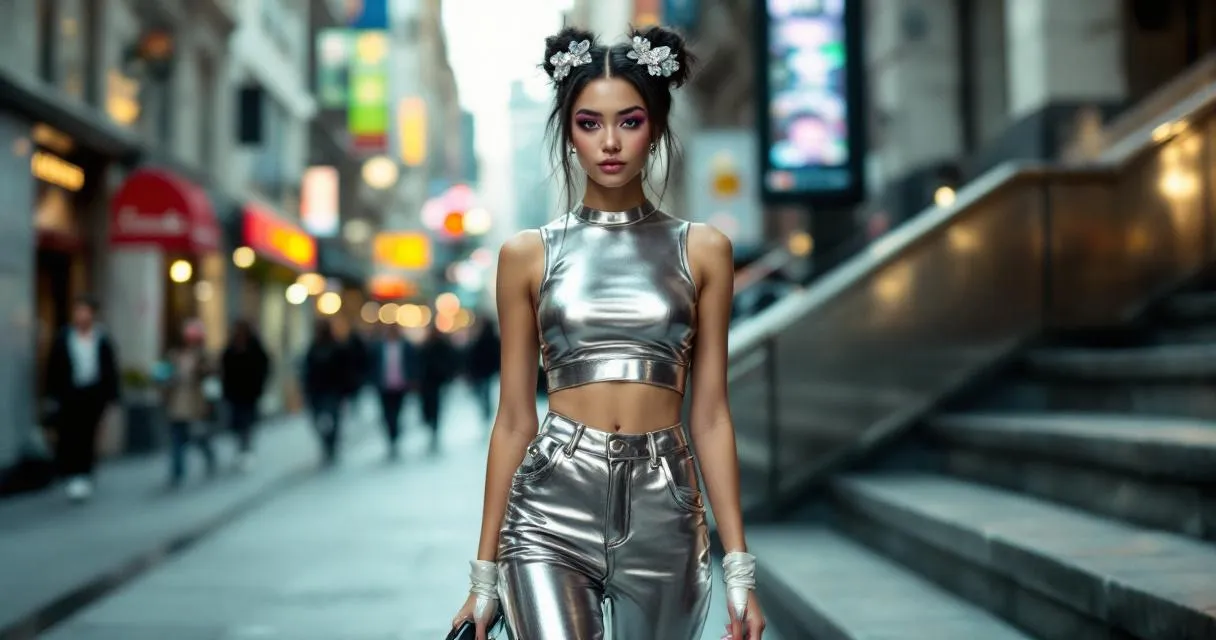
Tinted sunglasses in unusual colors defined the millennium look, while PVC materials and coordinated metallic ensembles created the futuristic aesthetic that separated authentic Y2K from other decades. Neon clothing trends emerged as celebrities experimented with electric colors that matched the optimistic millennium spirit, though these often resulted in eye-searing combinations that photographs from the era reveal as genuinely unflattering.
Bling accessories 2000s style included oversized hoop earrings, chunky chains, and bedazzled everything, creating looks that were intentionally excessive and often impractical for daily wear.
Authentic Y2K Style vs Modern Revival Interpretations
Unlike modern Y2K revivals that often sanitize the original aesthetic, authentic Y2K style embraced bold experimentation and space-age materials that seem extreme by today's standards. The Y2K fashion vs Instagram comparison reveals how current interpretations often focus on the most palatable elements while ignoring the more adventurous aspects.
Significantly, TikTok has emerged as the primary driver of Y2K fashion revival among Gen Z, fundamentally changing how these trends are discovered and interpreted compared to the original MTV-era influence. This social media platform has created a new layer of filtering that further distances modern interpretations from authentic millennium fashion. Current revival content focuses on trends like chunky platform sneakers and crop tops paired with denim, alongside the iconic Britney Spears and Justin Timberlake-inspired all-denim looks.
Original millennium fashion included tribal print fashion and unconventional silhouettes that pushed boundaries far beyond current revival trends. The Instagram and TikTok filter effect has transformed chaotic, often unflattering authentic Y2K looks into curated, aesthetically pleasing content that bears little resemblance to the original era's experimental chaos.
Modern revivals typically cherry-pick elements like sleek metallics and fitted low-rise jeans while ignoring the uncomfortable, oversized, and genuinely unfashionable aspects that defined much of actual Y2K street style.
The Space-Age Materials That Defined Early 2000s Clothing Trends
Early 2000s clothing trends were characterized by an obsession with futuristic materials that reflected millennium optimism. Celebrity icons like Britney Spears and Christina Aguilera popularized holographic fabrics, reflective surfaces, and synthetic textures that dominated both high fashion and mainstream retail. These materials created the distinctive aesthetic that made Y2K fashion instantly recognizable and fundamentally different from previous decades.
However, these innovative materials often came with practical problems. Metallic fabrics were stiff and uncomfortable, holographic materials cracked easily, and synthetic textures trapped heat and moisture, making them unpleasant to wear for extended periods.
How Wide Leg Pants and Baggy Silhouettes Dominated Y2K Fashion
Wide leg pants fashion became synonymous with Y2K style as celebrities embraced extremely oversized proportions that often overwhelmed smaller frames. Oversized tribal print pants specifically dominated the era, featuring bold geometric patterns that were frequently paired with equally busy tops, creating visually chaotic outfits.
These baggy silhouettes fashion trends extended beyond pants to include oversized blazers, loose-fitting tops, and dramatically proportioned accessories. The silhouette philosophy of Y2K fashion prioritized comfort and bold visual impact over fitted, tailored looks, but often resulted in unflattering proportions that photos from the era clearly demonstrate.
The reality was that many people looked overwhelmed by these extreme silhouettes, particularly when trend-followers attempted to recreate celebrity looks without professional styling assistance.
Bridging Nostalgia and Reality: The TikTok and Instagram Fantasy Filter
The Y2K nostalgia fashion phenomenon reveals a significant disconnect between memory and reality. Social media platforms, particularly TikTok, have created an idealized version of Y2K fashion that emphasizes the era's most photogenic elements while filtering out the genuinely awkward and unflattering aspects. TikTok's role in reviving Y2K fashion among Gen Z has created an entirely new interpretation layer that differs significantly from both the original MTV-driven trends and early Instagram revivals.
This nostalgia versus reality gap is particularly evident in how Y2K fashion vs Instagram presentations sanitize the original aesthetic. Current revival trends focus on sleek interpretations of metallics, perfectly fitted low-rise jeans, and coordinated accessories, while ignoring the chaotic mixing of patterns, uncomfortable fabric combinations, and often unflattering proportions that characterized authentic millennium style.
The TikTok and Instagram fantasy filter has transformed Y2K fashion from a genuinely experimental and often unsuccessful aesthetic experiment into a curated, aspirational style that appeals to modern sensibilities.
The Cultural Impact of Y2K Fashion Reality on Modern Trends
The lasting impact of celebrity-driven Y2K fashion established the foundation for today's social media influencing, proving that visual media could instantly transform experimental fashion into mainstream global trends. However, the influence mechanism has fundamentally shifted from MTV's television-based model to TikTok's algorithm-driven discovery system, creating new patterns of trend adoption and interpretation.
The Y2K fashion reality also demonstrated the dangers of rapid trend adoption without consideration for individual style or body types. The era's emphasis on following celebrity looks exactly often resulted in unflattering interpretations that contributed to Y2K fashion's reputation as genuinely "ugly" or "uncool" during its original period.
This historical pattern continues to influence how social media fashion trends develop, with similar gaps between influencer presentations and real-world wearability, though platforms like TikTok have accelerated both trend adoption and abandonment cycles.
Why Y2K Nostalgia Fashion Continues to Influence Contemporary Style
Y2K nostalgia fashion persists because it represents a unique moment when technology optimism translated directly into clothing design. The millennium aesthetic captured a specific cultural moment that resonates with both those who lived through it and younger generations discovering it through TikTok and other social platforms for the first time.
However, this nostalgia is heavily filtered through modern aesthetic preferences and platform algorithms. Current Y2K revival trends typically embrace the era's optimistic futurism while avoiding its more chaotic and genuinely unflattering elements.
This selective nostalgia extends beyond mere trend repetition to encompass an idealized version of the experimental spirit that defined the era, rather than the often unsuccessful reality of that experimentation.
The Legacy of Celebrity Fashion Influence Systems
MTV's fashion influence system created a new paradigm that continues to shape how trends develop and spread globally. The network's ability to showcase real Y2K clothing trends in constant rotation established visual media as fashion's primary driver, with music videos from artists like Britney Spears, Christina Aguilera, and Destiny's Child serving as key vehicles for trend dissemination.
This influence model became the blueprint for modern fashion marketing through video content and celebrity partnerships, but it also established the pattern of creating aspirational looks that were difficult for ordinary consumers to successfully recreate.
The MTV legacy directly connects to today's social media fashion influence, with similar dynamics between curated celebrity content and real-world fashion adoption, though platforms like TikTok have created more democratized and rapid trend cycles.
Understanding Authentic Y2K Aesthetic Elements
Authentic Y2K aesthetic went beyond individual clothing items to create a complete visual language that included specific color palettes, textures, and proportions. Metallic clothing trends weren't just about shiny fabrics but represented a broader fascination with technology and the future, as demonstrated by celebrities like Destiny's Child in their coordinated metallic performances.
The complete aesthetic package included everything from chunky belts Y2K style to coordinated accessories that created cohesive futuristic looks. However, achieving these complete looks often required significant investment and styling expertise that most consumers lacked.
Bling accessories 2000s were essential to authentic Y2K style, including oversized hoop earrings, chunky chain necklaces, bedazzled belts, and metallic handbags that added sparkle and technological flair to outfits.
The Role of Music Videos in Establishing Y2K Fashion Standards
Music videos became fashion laboratories where artists could experiment with extreme styles that would filter into mainstream fashion. These videos showcased tribal print fashion alongside futuristic elements, creating the eclectic mix that defined Y2K style.
Artists like Christina Aguilera popularized metallic crop tops and low-rise combinations, while Destiny's Child's coordinated metallic outfits established the group aesthetic that many friend groups attempted to recreate. Paris Hilton's influence extended beyond music to general celebrity culture, establishing pink and metallic combinations as signature Y2K elements.
The constant rotation of music videos meant that fashion experiments reached massive audiences repeatedly, cementing specific looks as defining trends, regardless of their practical wearability.
How Y2K Fashion Reality Differs from Current Interpretations
The Y2K fashion reality was far more experimental and technology-focused than current revival trends suggest. Original millennium fashion included unconventional materials, extreme proportions, and bold color combinations that pushed fashion boundaries, often unsuccessfully.
Modern interpretations often focus on the most Instagram and TikTok-friendly elements while overlooking the genuinely avant-garde aspects that made Y2K fashion revolutionary. Current revival trends sanitize the chaotic experimentation that defined authentic Y2K style, creating polished versions that would have been considered too conservative during the original era.
The difference between authentic Y2K chaos and modern revival polish highlights how nostalgia transforms even genuinely challenging fashion moments into aspirational content suitable for social media consumption.
The Evolution from Y2K Fashion to Social Media Influence
The transition from celebrity-driven Y2K fashion influence to social media platforms reveals how visual fashion communication has evolved while maintaining similar core principles. Y2K fashion vs Instagram shows how the medium changed but the fundamental desire for instant, visual fashion influence remained constant, with TikTok now serving as the primary discovery platform for Gen Z's Y2K revival.
Social media platforms essentially digitized celebrity influence while expanding its reach and speed, but they also intensified the gap between curated content and real-world wearability. TikTok's algorithm-driven approach has created even more rapid trend cycles than MTV's programming-based model, while maintaining similar patterns of aspirational content creation.
This evolution demonstrates how fashion influence systems consistently create aspirational content that ordinary consumers struggle to successfully recreate, regardless of the underlying technology platform.
Why Understanding Y2K Fashion History Matters Today
Understanding Y2K fashion history provides crucial context for contemporary fashion trends and influence systems. The millennium era established many patterns that continue to shape how fashion trends develop, spread, and evolve in digital spaces, though platforms like TikTok have accelerated these cycles significantly.
This historical perspective helps distinguish between authentic revival trends and superficial interpretations that miss the original cultural significance. It also reveals how fashion influence consistently creates gaps between media representation and street-level reality, whether through MTV's original programming or TikTok's current algorithm-driven discovery.
Recognizing these patterns helps modern consumers make more informed decisions about participating in trend cycles and understanding the difference between aspirational content and practical style choices.
The Lasting Impact of Celebrity-Driven Y2K Fashion Trends
Celebrity-driven fashion influence reached its peak during the Y2K era, creating a system that prioritized visual impact and instant recognition over traditional fashion authority. Icons like Britney Spears, Christina Aguilera, Paris Hilton, and Destiny's Child established specific aesthetic templates that continue to influence modern interpretations of Y2K style.
However, the celebrity influence model also established the problematic pattern of promoting looks that were difficult for non-celebrities to successfully wear. The professional styling, custom fitting, and constant wardrobe changes available to celebrities made their Y2K looks appear more successful than they typically were when attempted by ordinary consumers.
This celebrity influence model proved that fashion could be both experimental and commercially successful when supported by the right media platform, even when the actual wearability of trends was questionable.
Conclusion: The Enduring Relevance of Y2K Fashion Reality
The Y2K fashion reality created by celebrity culture established fundamental principles of visual fashion influence that continue to shape contemporary style. From low rise jeans 2000s aesthetics to metallic clothing trends, the millennium era's experimental spirit and technology optimism created lasting fashion archetypes that persist in modified forms today, though TikTok has fundamentally altered how Gen Z discovers and interprets these trends.
Understanding this authentic history helps distinguish genuine 2000s fashion revival elements from superficial trend interpretations, ensuring that Y2K's innovative fashion legacy continues to inspire future style evolution. The era's combination of genuine innovation and frequent fashion failures provides valuable lessons about the relationship between aspirational fashion content and practical style choices.
The nostalgia versus reality gap in Y2K fashion demonstrates how cultural memory transforms even challenging fashion moments into aspirational content, revealing important patterns about how fashion influence systems operate across different media platforms. This understanding helps modern consumers navigate current fashion trends with greater awareness of the difference between curated inspiration and authentic personal style.
Ready to explore authentic Y2K fashion beyond the TikTok and Instagram filter? Research original runway shows, music videos, and street style photos from 1999-2003 to discover the genuinely experimental spirit that made millennium fashion revolutionary, chaotic, and ultimately influential in shaping today's digital fashion landscape.