The Y2K Fashion Reality: What 2000s Style Really Looked Like vs Social Media Myths
The Y2K fashion reality reveals a shocking truth about proportions and styling that modern social media completely misses. According to firsthand accounts, the original era (1999-2003) featured "very short crop tops because we wore low-rise jeans and skirts," creating extensive midriff exposure that contrasts sharply with today's Instagram-worthy Y2K revivals that pair high-waist pants with crop tops. This represents a fundamental difference in how the silhouette was constructed and worn during the authentic period.
Understanding the true 2000s fashion revival requires acknowledging the massive gap between nostalgia-filtered social media content and the often-uncomfortable reality of millennium fashion. The Y2K fashion vs Instagram narrative shows how modern interpretations cherry-pick only the most photogenic elements while completely misunderstanding the original proportions and styling approaches that defined the era.
The Harsh Reality: Y2K Fashion Was Often Genuinely Ugly
Why People Who Lived Through Y2K Cringe at Modern Revivals
Fashion archivists note that "Fashion moves so quickly. It seems like the fashion world grew tired of the Y2K clothing as early as 2000," suggesting the trend's original lifespan was brief and not universally embraced even contemporaneously. Those who experienced Y2K fashion history firsthand often react with bewilderment at today's romanticized interpretations, particularly because the reality included such different proportions and styling choices.
Authentic Y2K style included questionable choices like shiny track suits, frosted denim, and chunky highlights that complemented equally chunky platform sandals. These weren't carefully curated vintage finds—they were mass-market trends that flooded malls nationwide and were quickly abandoned by the fashion world itself.
The disconnect between lived experience and social media fantasy highlights how Instagram's nostalgia filter transforms what were often considered fashion mistakes into coveted vintage pieces, while fundamentally misunderstanding how these pieces were actually worn.
The Tribal Print Epidemic: Ubiquitous and Unforgiving
How Tribal Patterns Dominated Y2K Wardrobes
Tribal print fashion wasn't a subtle accent in Y2K clothing—it was everywhere and unavoidable. Oversized pants Y2K style frequently featured aggressive geometric patterns in harsh color combinations that flattered virtually no one. These prints appeared on everything from swimwear to formal dresses, creating a visual assault that defined early 2000s aesthetics.
Popular tribal print combinations included orange and black zigzags, purple and gold diamonds, and red and yellow geometric shapes that clashed with most skin tones. Wide leg pants fashion amplified these bold patterns, creating overwhelming visual impact that photographs poorly even with modern filters.
The ubiquity of tribal prints meant escaping them was nearly impossible. Department stores, teen retailers, and even high-end brands embraced these patterns as the height of millennium sophistication.
Metallic Overload: When Everything Shimmered
The Harsh Reality of Y2K's Metallic Obsession
Metallic clothing trends were among the dominant Y2K pieces that defined the era, alongside mesh tops, satin and leather skirts, and sparkling shoes. However, the authentic Y2K era went far beyond today's selective sparkle. Entire outfits shimmered with cheap-looking silver and gold fabrics that photographed poorly and wore even worse. Metallic tops were part of the core Y2K aesthetic that drew from technological optimism, incorporating iridescent fabrics inspired by CDs and translucent materials.
The quality of these metallics was often questionable, with pleather-like finishes that cracked after minimal wear. Silver metallic pants paired with matching tops created space-age looks that felt more costume than fashion. Gold metallics appeared in unflattering cuts that emphasized every curve and bulge.
Y2K nostalgia fashion today carefully selects only the most flattering metallic pieces while ignoring the widespread metallic disasters that filled early 2000s closets. The reality included cheap, unflattering options that dominated mainstream retail.
Neon Nightmare: Color Choices That Hurt to Look At
How Neon Dominated Y2K Color Palettes
Neon clothing trends were integral to the authentic Y2K aesthetic that embraced neon colors as part of its technological optimism and futuristic vision. These weren't accent colors in Y2K fashion—they were primary palette choices that created eye-searing combinations. Hot pink paired with electric blue, lime green with shocking yellow, and orange with purple created color stories that modern eyes find genuinely difficult to process.
These authentic Y2K style color combinations appeared in mainstream clothing lines, not just rave wear or specialty items. Graphic hoodies 2000s style frequently featured multiple neon colors in single designs, creating visual chaos that defined the era's aesthetic.
The intensity of these colors was amplified by the synthetic fabrics popular during the period. Polyester blends made neons appear even more electric, creating an artificial glow that felt futuristic but looked cheap.
The Bling Explosion: When More Was Always More
Excessive Accessories That Defined Y2K Reality
Bling accessories 2000s culture promoted the philosophy that subtlety was the enemy. Chunky belts Y2K style featured oversized logos, multiple chains, and excessive hardware that weighed down outfits literally and figuratively. These weren't carefully curated statement pieces—they were aggressive displays of brand loyalty and synthetic glamour.
Popular bling included:
- Oversized hoop earrings that caught on everything
- Multiple charm necklaces layered for maximum noise
- Bedazzled phone cases covered in fake crystals
- Logo-heavy handbags with excessive metal detailing
- Sparkling shoes that were part of the dominant Y2K pieces
The Y2K fashion reality included wearing multiple bling pieces simultaneously, creating looks that jingled, sparkled, and reflected light from every angle.
Oversized Everything: The Unflattering Silhouette Era
When Baggy Ruled and Fit Was Forgotten
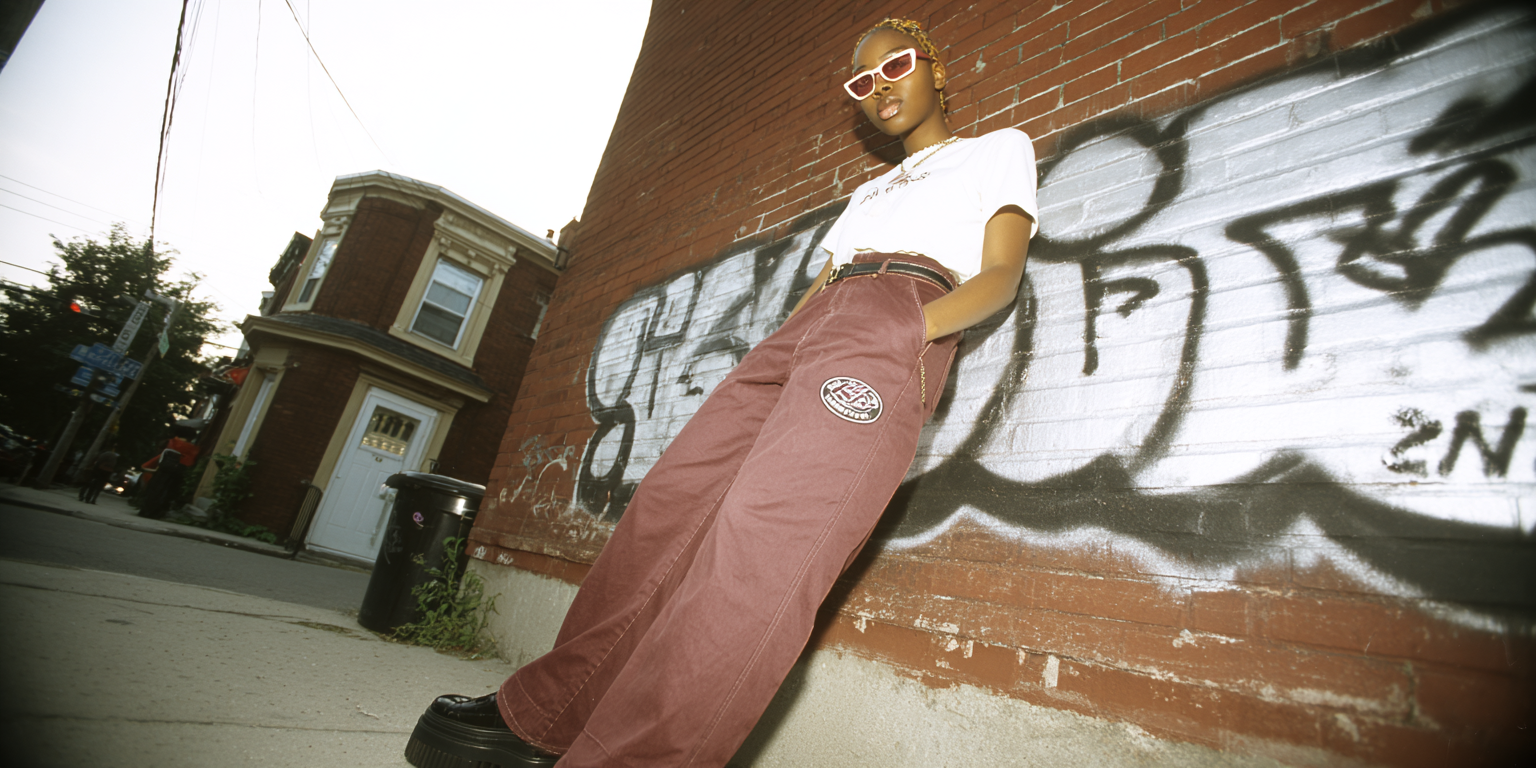
Baggy silhouettes fashion dominated Y2K style to an extreme that modern revivals rarely acknowledge. Oversized pants Y2K didn't just accommodate—they completely obscured the wearer's natural shape. These weren't stylishly oversized pieces; they were genuinely ill-fitting garments that prioritized excess fabric over any semblance of flattery.
Graphic hoodies 2000s came in sizes that could accommodate multiple people, worn with baggy jeans that pooled around clunky sneakers. The silhouette created a shapeless mass of fabric that eliminated any hint of human form beneath.
This obsession with oversized proportions extended to formal wear, creating prom dresses and special occasion outfits that overwhelmed their wearers with excessive fabric and unflattering cuts.
The Instagram Fantasy vs Lived Experience
How Social Media Rewrites Y2K History
Y2K fashion vs Instagram comparisons reveal the power of selective memory and careful curation. Modern interpretations focus exclusively on rare celebrity moments and high-fashion editorials while completely misunderstanding the fundamental proportions that defined the era. The most striking difference is in how crop tops were actually styled—with very low-rise bottoms creating extensive midriff exposure, rather than today's high-waisted interpretations.
Celebrity influence shaped actual Y2K choices more directly than today. Paris Hilton's 2003 Seventeen magazine cover appearance in "a white tank top, a piercing, and a low-rise pinstriped miniskirt" became instantly replicable for young women, while Jennifer Lopez's 2000 Versace jungle dress popularized sheer fabrics. These looks were immediately copied and became widespread trends.
The Instagram fantasy presents Y2K fashion through multiple filters:
- Vintage pieces that survived because they were higher quality
- Carefully styled combinations that weren't typical of the era
- Professional lighting that makes cheap metallics look luxurious
- Body types and styling that flatter even questionable trends
- Completely different proportions than were actually worn
Y2K nostalgia fashion on social media creates an alternate history where everyone looked effortlessly cool in perfectly fitted vintage pieces. The reality included widespread fashion disasters, poor-quality fabrics, and unflattering cuts that most wearers later regretted.
Low-Rise Jeans: The Comfort Catastrophe
Why Y2K Denim Was Actually Unwearable
Low rise jeans 2000s weren't just a style choice—they were a daily struggle that created constant wardrobe malfunctions. Authentic Y2K style prioritized appearance over comfort, creating denim cuts that required constant adjustment and strategic positioning to remain decent. The extensive midriff exposure created by pairing these ultra-low-rise jeans with very short crop tops was the defining silhouette of the era.
The ultra-low rise trend meant:
- Sitting was a calculated risk
- Bending over required strategic planning
- Layering became essential for modesty
- Comfort was completely sacrificed for appearance
These weren't carefully fitted designer pieces but mass-market jeans that fit poorly on most body types. The combination of ultra-low waists with very short tops created proportions that exposed far more skin than modern interpretations suggest.
The Denim Diversity: Beyond Basic Blue
How Y2K Denim Experimentation Defined the Era
Denim in worn, faded, studded, sequined, and embroidered variations dominated Y2K fashion, going far beyond today's simplified interpretations. The authentic Y2K era embraced experimental denim treatments that pushed the boundaries of what jeans could look like, incorporating the era's love of embellishment and technological-inspired details.
These varied denim treatments included:
- Heavily distressed and faded finishes
- Studded detailing that added texture and edge
- Sequined panels that caught light like the era's beloved metallics
- Embroidered designs featuring everything from flowers to tribal patterns
- Experimental washes and treatments that created unique textures
The emphasis on denim experimentation reflected Y2K's broader embrace of technological innovation and boundary-pushing aesthetics, treating basic jeans as a canvas for creative expression.
The Quality Problem: When Fashion Was Disposable
How Poor Manufacturing Defined Y2K Reality
Early 2000s clothing trends coincided with the rise of fast fashion, resulting in garments that looked poor and wore even worse. Metallic clothing trends featured synthetic fabrics that cracked and peeled after minimal wear. The dominant Y2K pieces like mesh tops and iridescent fabrics were often made with cheap materials that couldn't withstand regular washing and wearing.
The emphasis on trends over quality meant most Y2K pieces were designed for short-term wear. Graphic hoodies 2000s featured prints that cracked after the first wash. Chunky belts Y2K broke under normal use due to cheap hardware and synthetic materials.
This disposable approach to fashion created a cycle where trends moved quickly because the clothes literally fell apart, forcing constant replacement and trend cycling.
The Great Awakening: Why Y2K Fashion Died Quickly
How People Realized They'd Made Terrible Choices
The rapid death of authentic Y2K trends speaks to how genuinely unflattering and uncomfortable they were. Fashion observers noted that the fashion world itself "grew tired of the Y2K clothing as early as 2000," suggesting that even industry professionals quickly recognized the limitations of these trends. By 2004, most trend-followers were desperately trying to distance themselves from the Y2K fashion reality they'd embraced just years earlier.
The awakening happened gradually as people realized:
- The clothes were genuinely uncomfortable
- The proportions were extremely unflattering on most body types
- The quality was too poor to justify the investment
- The overall aesthetic photographs terribly
This collective realization explains why genuine Y2K pieces are relatively rare in vintage markets—most people threw them away in embarrassment rather than saving them as fashion history.
Modern Lessons: What Today's Revival Gets Wrong
Why Instagram Y2K Misses the Point
Today's 2000s fashion revival carefully avoids everything that made Y2K fashion genuinely Y2K, particularly the extreme proportions and styling approaches that defined the era. Modern interpretations use better-quality fabrics, more flattering cuts, and strategic styling that eliminates the chaotic excess that defined the original era.
Y2K nostalgia fashion today includes:
- Selective metallic accents instead of head-to-toe shimmer
- Carefully chosen tribal prints on flattering silhouettes
- Moderate low-rise cuts instead of extreme hip-huggers
- Quality bling pieces instead of cheap costume jewelry
- High-waisted bottoms with crop tops instead of the authentic low-rise and short crop combination
This sanitized version eliminates both the charm and horror of authentic Y2K style, creating something entirely new that borrows surface elements while ignoring the underlying aesthetic chaos and uncomfortable reality of the original proportions.
The Truth About Y2K Fashion Influence
Separating Reality from Nostalgia
Y2K fashion history offers valuable lessons about the difference between lived experience and nostalgic interpretation. The era's influence on modern fashion comes primarily from its boldness and experimentation with pieces like mesh tops, metallic materials, and varied denim treatments rather than its actual aesthetic success or wearability.
Understanding the authentic disaster helps explain why current interpretations work better—they learn from Y2K's mistakes while embracing its fearless approach to trend adoption. The Y2K fashion reality serves as both inspiration and cautionary tale for contemporary style evolution, particularly in understanding how dramatically different proportions can change an entire aesthetic.
The gap between Instagram fantasy and historical reality reminds us that nostalgia consistently edits out the uncomfortable truths that made past eras genuinely challenging to live through.
Conclusion: Embracing the Full Y2K Truth
The Y2K fashion reality was simultaneously more terrible and more interesting than social media suggests. Authentic Y2K style included genuine fashion disasters alongside innovative experimentation that pushed boundaries and challenged conventional style wisdom through pieces like iridescent fabrics, experimental denim treatments, and bold metallic pieces.
Rather than romanticizing every element of early 2000s clothing trends, we can appreciate Y2K's fearless approach to fashion while acknowledging that most participants found the results genuinely unflattering and uncomfortable. The Y2K fashion vs Instagram gap reveals how nostalgia filters transform even universally acknowledged mistakes into desirable vintage elements, while completely changing the fundamental proportions and styling that defined the original era.
Ready to explore authentic Y2K pieces without the Instagram filter? Visit reputable vintage retailers who can help you distinguish between genuine millennium pieces and modern interpretations, ensuring you experience the real Y2K aesthetic—chaos, poor quality, uncomfortable proportions, and all.