The Complete Guide to Sustainable Y2K Fashion: Ethical Shopping for Vintage Early 2000s Style
Sustainable Y2K fashion represents a revolutionary approach to embracing early 2000s nostalgia while maintaining environmental consciousness through strategic thrifting, creative upcycling, and mindful consumption practices. This movement transforms how fashion enthusiasts engage with one of the most iconic style eras, proving that trendy doesn't have to mean wasteful.
The current Y2K revival emphasizes ethical vintage shopping, DIY customization, and supporting eco-friendly brands over destructive fast fashion alternatives. By prioritizing secondhand options and sustainable practices, style lovers can achieve authentic early 2000s aesthetics while contributing to a more responsible fashion ecosystem. The sustainability movement drives this Y2K fashion revival by promoting secondhand sourcing, ethical production, and mindful curation, transforming the trend from fast-fashion excess into a durable, low-waste aesthetic.
Understanding the Sustainable Y2K Fashion Movement
The Environmental Impact of Fashion Trends
The fashion industry's environmental footprint has reached alarming proportions. Textile waste contributes significantly to global pollution. Traditional fast fashion approaches to trend cycles create massive amounts of clothing waste, particularly when iconic styles like Y2K fashion experience rapid revivals. However, experts now point to the existing clothing surplus as strong rationale for making fewer, better purchases.
Sustainable vintage clothing offers a powerful alternative by extending garment lifecycles. It reduces demand for new production. When consumers choose preloved pieces over mass-produced alternatives, they directly participate in fashion waste reduction while building unique, authentic wardrobes.
The circular fashion economy principles underlying sustainable Y2K fashion demonstrate something important. They show how vintage shopping can be both environmentally responsible and stylistically satisfying. This approach treats clothing as valuable resources rather than disposable commodities.
Key Elements of Eco-Friendly Y2K Style
As of 2026, Y2K fashion has matured significantly, shifting toward restraint and longevity. The trend now emphasizes one subtle Y2K piece per outfit—such as cleaner cargo trousers or understated belts—integrated with investment pieces, resale culture, and versatile styling to prioritize wardrobe longevity over micro-trends.
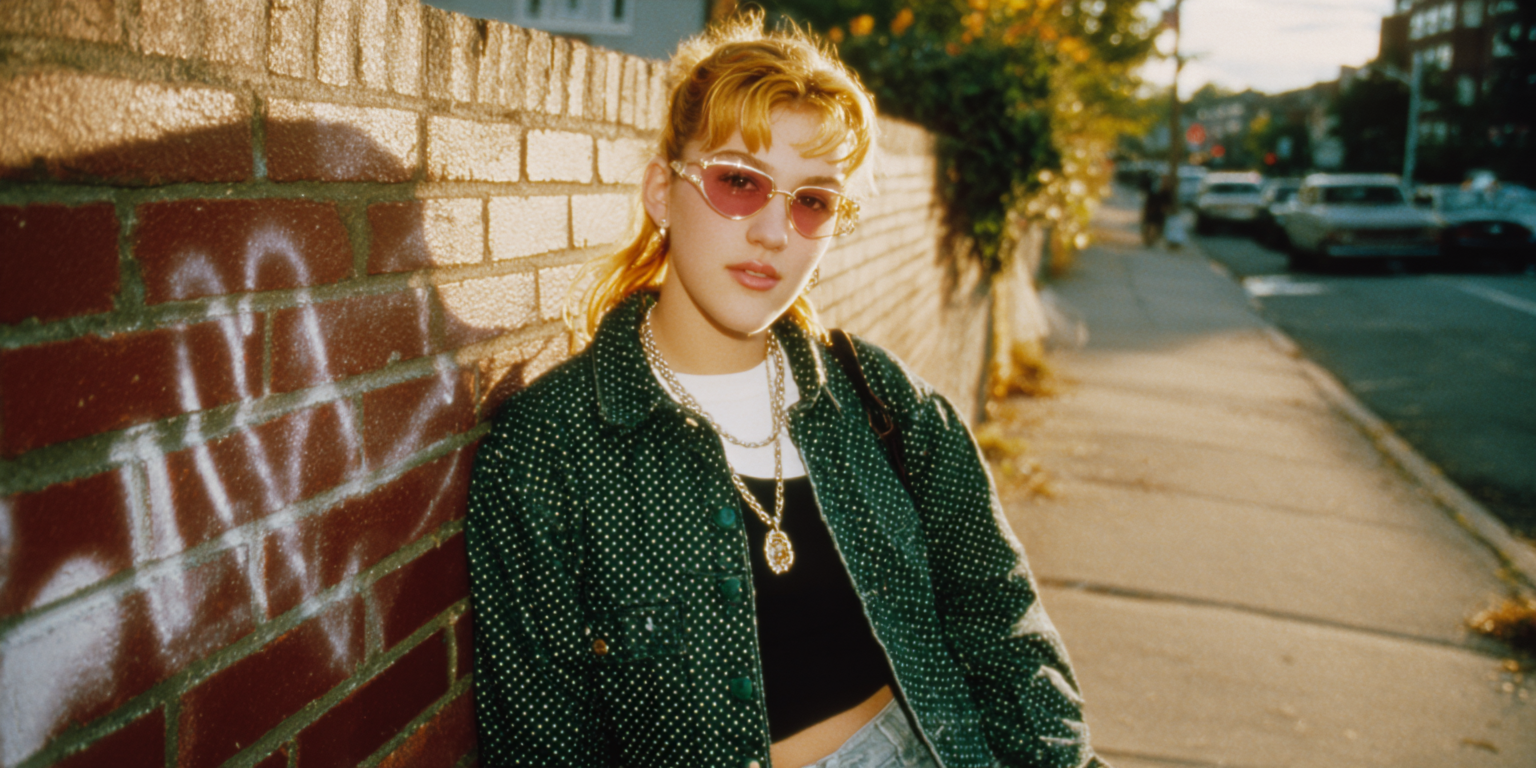
Authentic sustainable Y2K fashion centers around specific iconic pieces that defined the early 2000s aesthetic. Low-rise jeans, metallic tops, platform shoes, and statement accessories form the foundation of this distinctive style when sourced sustainably.
Eco-friendly Y2K style prioritizes quality over quantity. It focuses on versatile pieces that can be mixed, matched, and styled in multiple ways. This approach ensures that vintage investments remain relevant beyond fleeting micro-trends while maximizing wardrobe functionality. Current forecasts highlight "mindful curation" wardrobes—small collections of secondhand, upcycled, or ethical items—as a third wave of sustainable fashion, enhancing credibility and avoiding fast fashion hauls. This supports using Y2K as accents, such as metallic bags, on minimalist bases.
Successful sustainable styling incorporates both authentic vintage pieces and contemporary items inspired by Y2K aesthetics. Experts recommend mixing genuine Y2K vintage with new ethical pieces from brands using transparent supply chains and long-lasting quality, reducing overconsumption while achieving nostalgic looks.
Essential Y2K Thrift Guide: Finding Authentic Pieces
Strategic Thrift Store Shopping
Developing effective vintage Y2K shopping tips begins with understanding where to look and what to prioritize during thrift store visits. Research local thrift stores, vintage boutiques, and consignment shops. This helps identify locations with the best selection of early 2000s pieces.
Gen Z, who are leading the Y2K revival, particularly favor thrift stores and vintage marketplaces for authentic Y2K items like low-rise jeans and metallic fabrics. This generation demands transparency, recycled materials, and eco-friendly brands, with 66% of Gen Z shoppers willing to pay more for sustainable options.
Thrift store finds require patience and persistence. Vintage shopping success often depends on timing and luck. Visit stores regularly, as inventory changes frequently. Consider building relationships with store employees who can alert you to new arrivals.
Focus on quality indicators when evaluating potential purchases. Look at fabric composition, construction details, and overall garment condition. High-quality pieces from the Y2K era often feature unique details and superior materials compared to contemporary fast fashion alternatives.
Online Vintage Shopping Platforms
Digital resale fashion platforms have revolutionized access to vintage Y2K pieces. They connect buyers with sellers worldwide. The secondhand fashion market has experienced significant growth in recent years, reflecting this shift toward sustainable shopping.
Depop, Vestiaire Collective, The RealReal, and Rebag offer extensive selections of authenticated vintage and contemporary sustainable options. These platforms align with the growing demand for authentic Y2K items sourced sustainably.
Secondhand Y2K fashion platforms require careful evaluation of seller ratings, item descriptions, and photographs to ensure authentic purchases. Look for detailed measurements, condition descriptions, and multiple angles when shopping online for vintage pieces.
Popular online vintage destinations include Etsy's vintage section, Poshmark, and specialized Y2K reseller accounts on Instagram. In regions like the UK, resale platforms specifically align Y2K pieces with practicality and layering, sourcing authentic 2000s items sustainably amid climate-suited styling.
Vintage Clothing Authentication Tips
Vintage clothing authentication becomes crucial when investing in designer or high-value Y2K pieces. Research brand labels, hardware details, and construction techniques characteristic of specific designers and time periods.
Familiarize yourself with common reproduction items. Learn to distinguish authentic vintage pieces from contemporary imitations. Original Y2K pieces often feature specific label designs, fabric treatments, and manufacturing details that differ from modern reproductions.
Consider consulting authentication services for high-value purchases. This is especially important for designer handbags, shoes, and statement pieces. Professional authentication protects investments while ensuring collection authenticity.
Building an Eco-Conscious Y2K Wardrobe
Essential Sustainable Y2K Pieces
A well-curated eco-conscious wardrobe built around Y2K aesthetics should include versatile foundation pieces that can be styled multiple ways. Following the 2026 approach to sustainable Y2K fashion, prioritize classic silhouettes like low-rise jeans, slip dresses, metallic tops, and statement accessories that defined the era, but focus on integrating them as subtle accents rather than overwhelming statement pieces.
Preloved designer pieces from brands like Versace, Dior, and Dolce & Gabbana offer authentic Y2K luxury while supporting sustainable consumption practices. These investment pieces often feature iconic prints and silhouettes that remain highly sought-after decades later.
Focus on building a capsule collection of high-quality vintage pieces rather than accumulating numerous lower-quality items. This mindful curation approach ensures better cost-per-wear value while maintaining a more sustainable consumption pattern and aligns with expert forecasts for sustainable fashion rising through 2030.
Contemporary Sustainable Y2K Brands
Modern brands embracing sustainable style choices offer Y2K-inspired pieces produced through ethical manufacturing processes. Reformation, GANNI, and Staud create contemporary interpretations of early 2000s aesthetics using sustainable materials and responsible production methods.
These brands often incorporate recycled materials, deadstock fabrics, and ethical manufacturing practices. They deliver the metallic finishes, bold colors, and distinctive silhouettes characteristic of Y2K fashion. Supporting these companies encourages continued investment in sustainable fashion innovation while meeting Gen Z's demand for transparency and eco-friendly practices.
Research brand sustainability commitments when selecting contemporary Y2K-inspired pieces. Look into material sourcing, manufacturing transparency, and end-of-life garment programs for your sustainable wardrobe.
Gen Z Maximalism and Personalization Trends
The rise of Gen Z maximalism has transformed how young consumers approach Y2K fashion. Rather than following exact replicas, they mix vintage pieces with modern elements to create highly personalized looks that express individual identity while prioritizing sustainable sourcing.
This generation embraces bold color combinations, layered accessories, and statement pieces that reflect their unique personalities. They combine chunky platform sneakers with delicate slip dresses, or pair metallic Y2K tops with contemporary wide-leg jeans for a fresh take on nostalgic styles, all while maintaining their commitment to ethical fashion choices.
Social media platforms fuel this personalization trend, with Gen Z creators showcasing how to style the same vintage piece in multiple ways. This approach maximizes wardrobe versatility while encouraging creative expression through sustainable fashion choices.
The DIY Revolution: Upcycling and Customization Techniques
Popular DIY Y2K Projects
Upcycled clothing projects allow fashion enthusiasts to transform existing pieces into Y2K-inspired garments while developing creative skills and reducing waste. The DIY boom has created an entire community of creators sharing tutorials and inspiration for sustainable fashion transformations, directly supporting the mindful curation approach that defines modern sustainable Y2K fashion.
Simple modifications can update modern pieces with authentic early 2000s flair. Try adding rhinestone details to plain t-shirts using fabric glue and loose crystals. Create distressed effects on jeans with sandpaper or a cheese grater for that worn-in Y2K look.
Transform oversized modern silhouettes by cinching waists with colorful belts or cropping tops to achieve the fitted styles popular in the early 2000s. These modifications require minimal sewing skills but create dramatic style changes.
Add metallic accents to existing pieces using fabric paint or iron-on vinyl. Silver and holographic finishes were hallmarks of Y2K fashion and can instantly update contemporary basics while creating the subtle Y2K touches that define the current mature approach to the trend.
Advanced Customization Techniques
More complex upcycling projects can completely transform garments into unique Y2K statements. Learn to modify silhouettes by taking in seams, shortening hemlines, or adding contrast panels for color-blocking effects.
Combine multiple garments to create entirely new pieces. Attach sleeves from one top to a sleeveless dress, or use fabric from damaged items to create patchwork details on other pieces.
Hand-sewing techniques like embroidery or beadwork can add personalized touches that reflect Y2K's love for embellishment. Focus on geometric patterns, star motifs, or butterfly designs that were popular during the era.
Consider learning basic pattern-making skills to create accessories like bucket hats, mini bags, or hair scarves that complement your sustainable Y2K wardrobe.
Third Wave Sustainable Creators and Social Media Influence
The Rise of Sustainable Fashion Influencers
A new generation of third wave sustainable creators has emerged on social media platforms, combining environmental activism with Y2K fashion inspiration. These influencers focus on educating their audiences about sustainable fashion practices while showcasing stylish vintage finds and DIY projects that emphasize mindful curation over fast fashion hauls.
Unlike traditional fashion influencers who promote constant consumption, sustainable Y2K creators emphasize creativity, resourcefulness, and environmental consciousness. They share thrift hauls, styling challenges using existing wardrobe pieces, and tutorials for extending garment lifecycles while promoting the hybrid vintage-sustainable styling approach.
Popular sustainable Y2K creators on TikTok and Instagram demonstrate how to achieve trending looks using secondhand pieces. They challenge followers to recreate outfits using only thrifted or upcycled items, fostering community engagement around sustainable practices while showcasing how to integrate one subtle Y2K piece per outfit for maximum impact.
These creators often partner with vintage sellers, sustainable brands, and environmental organizations to amplify their message about responsible fashion consumption while maintaining authentic Y2K aesthetics.
Platform-Specific Trends and Impact
TikTok has become a powerhouse for sustainable Y2K fashion content, with hashtags like #ThriftFlip and #SustainableY2K generating millions of views. Short-form video content allows creators to share quick styling tips and transformation tutorials that inspire immediate action while promoting the mindful curation principles that define sustainable Y2K fashion.
Instagram serves as a platform for more detailed sustainable fashion education, with creators sharing in-depth posts about vintage shopping strategies, brand transparency, and the environmental impact of fashion choices.
Pinterest functions as a visual archive for sustainable Y2K inspiration, with users creating boards dedicated to thrift finds, DIY projects, and eco-friendly styling ideas that support long-term planning and creativity.
Caring for Vintage Y2K Fashion
Proper Garment Maintenance
Vintage fashion sustainability depends heavily on proper garment care practices that extend clothing lifecycles and maintain piece quality over time. Vintage fabrics and construction methods often require specialized care approaches compared to contemporary clothing.
Cold water washing, air drying, and gentle detergents help preserve vintage textile integrity while reducing environmental impact. Many Y2K-era synthetic fabrics respond well to careful machine washing. Delicate pieces may require professional cleaning.
Store vintage pieces properly using breathable garment bags, padded hangers, and climate-controlled environments when possible. Proper storage prevents damage from pests, moisture, and UV exposure that can degrade vintage textiles over time.
Repair and Restoration Services
Professional garment repair and restoration services can revive damaged vintage pieces. They can extend their wearable lifespan significantly. Skilled tailors can address common vintage clothing issues like worn seams, missing buttons, and minor fabric damage.
Consider the cost-benefit ratio when deciding whether to restore damaged vintage pieces. Factor in sentimental value, replacement difficulty, and overall garment quality. High-quality vintage pieces often justify restoration investments due to their superior construction and unique design elements.
Learn basic repair techniques for common issues like loose buttons, minor tears, and hem adjustments. These skills enable immediate maintenance that prevents minor problems from developing into major damage requiring professional intervention.
The Future of Sustainable Y2K Fashion
Growing Market Trends
The vintage fashion sustainability movement continues gaining momentum as consumers increasingly prioritize environmental consciousness alongside personal style expression. This shift represents a fundamental change in how fashion trends develop and evolve within contemporary culture, with experts like Tina Boetto forecasting mindful curation rising through 2030, rooted in sustainability principles.
Social media platforms amplify sustainable fashion messaging while connecting vintage sellers with environmentally conscious buyers worldwide. This digital ecosystem supports the growth of sustainable fashion communities and educational resources.
Industry analysts predict continued growth in vintage and secondhand fashion markets as younger consumers embrace circular economy principles. They reject traditional fast fashion consumption patterns in favor of more sustainable alternatives, with Gen Z leading this transformation through their ethical prioritization and demand for transparent, eco-friendly options.
Cultural Impact and Legacy
Sustainable Y2K fashion demonstrates how nostalgic trends can be embraced responsibly without contributing to environmental degradation or exploitative labor practices. The mature approach that has emerged by 2026, emphasizing restraint, longevity, and mindful curation, offers a model for engaging with future fashion revivals in more conscious ways.
The movement's emphasis on individual creativity, authentic vintage pieces, and environmental responsibility challenges traditional fashion industry structures. It empowers consumers to make more intentional style choices while supporting the hybrid vintage-sustainable styling approach that reduces overconsumption.
As sustainable fashion practices become mainstream, the principles pioneered by the sustainable Y2K movement will likely influence how future generations approach trend participation and personal style development.
Ready to start your sustainable Y2K fashion journey? Begin by exploring your local thrift stores and online vintage platforms to discover unique pieces that reflect your personal style while supporting environmental sustainability.
By embracing sustainable Y2K fashion through strategic thrifting, conscious consumption, and proper garment care, fashion enthusiasts can enjoy iconic early 2000s aesthetics while supporting environmental sustainability and ethical fashion practices. This approach proves that style and sustainability can coexist beautifully when guided by thoughtful choices, mindful curation, and creative solutions that prioritize longevity over fleeting trends.