The Complete Guide to Authentic Y2K Fashion: Distinguishing Real Millennium Style from Modern Reproductions
This comprehensive Y2K fashion guide explores the fascinating differences between original millennium-era pieces and today's modern interpretations. As the 2026 revival continues gaining momentum following the predictable 20-year fashion cycle, understanding these distinctions becomes essential for fashion enthusiasts and collectors seeking genuine vintage 2000s fashion.
Understanding Original Y2K Fashion Culture
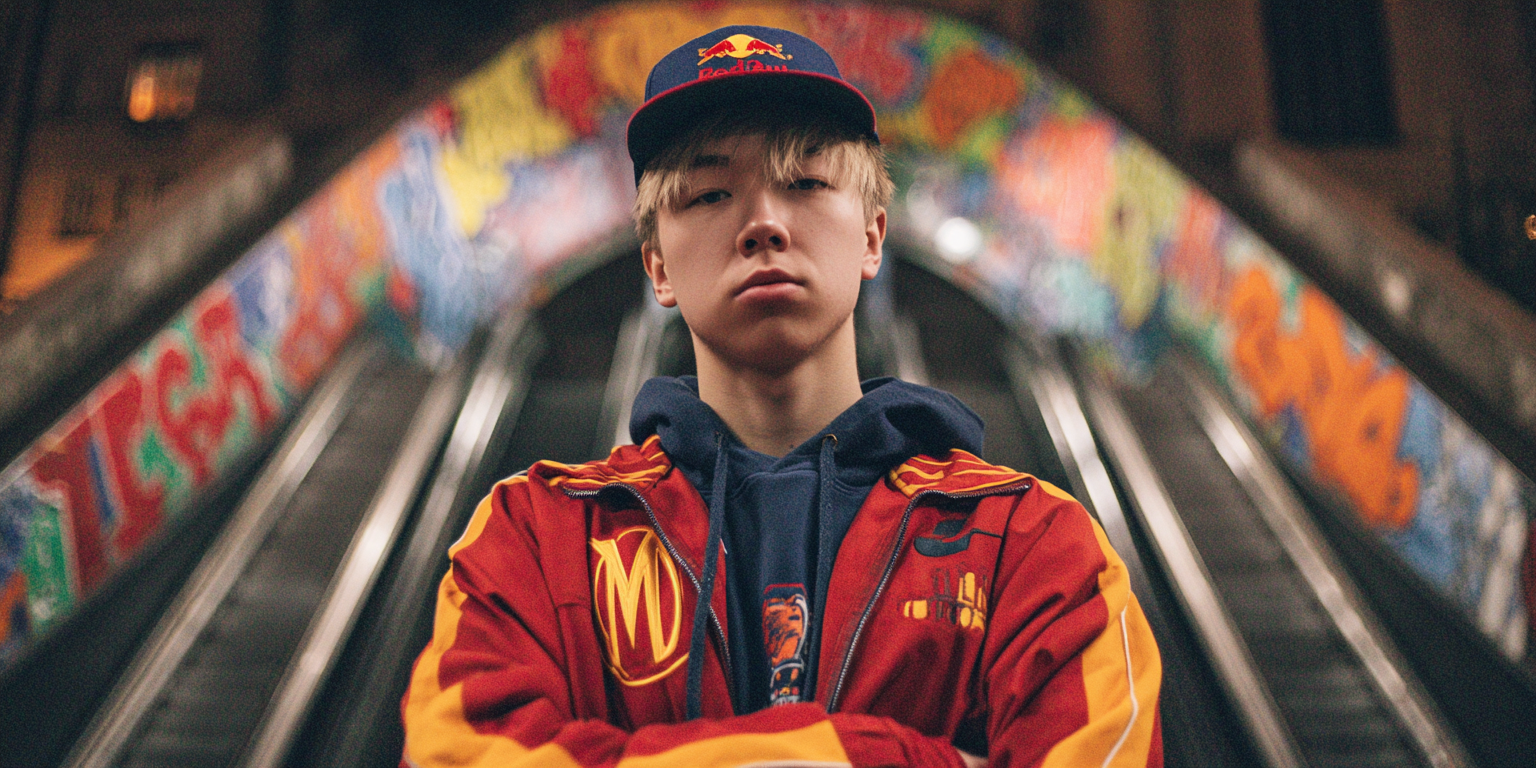
Original Y2K fashion (late 1990s–early 2000s) emphasized bold, unapologetic futurism and playfulness driven by millennial tech optimism. These pieces featured raw elements like glitter, metallic textures, low-rise jeans, baby tees, velour tracksuits, chunky sneakers, butterfly prints, and cyber-inspired accessories from brands such as FUBU, Baby Phat, and Von Dutch. The aesthetic wasn't just about looks – it reflected society's genuine enthusiasm about entering the digital age.
The early 2000s clothing scene was driven by a belief that fashion should mirror our technological future. Designers embraced bold experimentation with synthetic materials, holographic finishes, and space-age silhouettes that felt genuinely revolutionary at the time. Authentic pieces captured genuine digital-age excitement with loud, shiny, "noticed" designs like pearlescent shades and unconventional materials.
How Modern Y2K Interpretations Differ
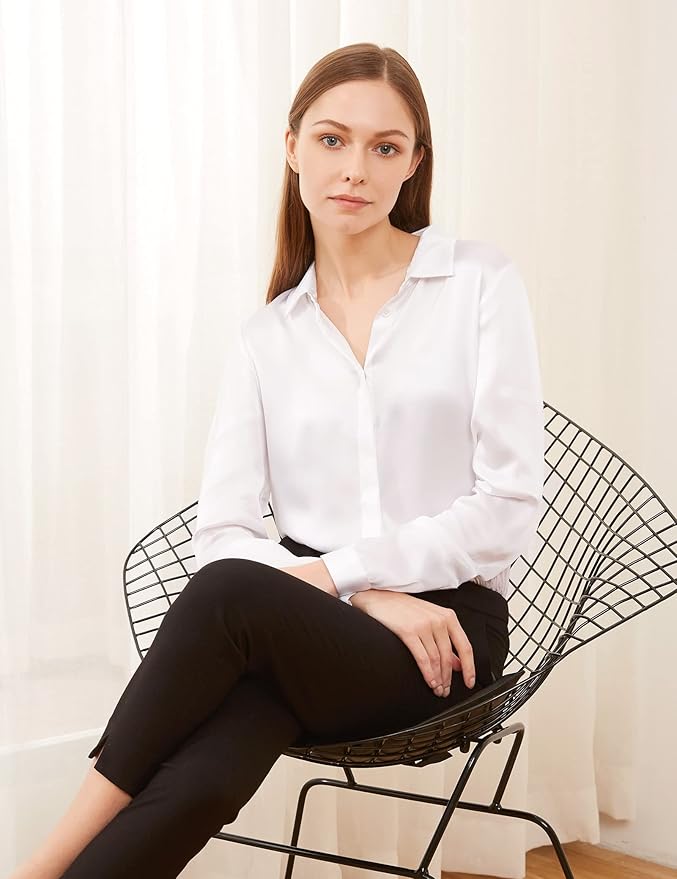
Contemporary revivals in 2026 take a fundamentally different approach, refining original elements with structured proportions, higher-quality fabrics, and hybrid styling for wearability. Modern reinterpretations blend Y2K motifs like metallics and mini skirts with contemporary accents such as wider-leg pants, indie sleaze influences, or minimalist bases.
Unlike the original era's "amusement park" of glossy logos, cartoon tracksuits, and full pop-star looks, today's takes treat Y2K as accents over 90s minimalism. Modern styling might feature metallic cargo pants one day, butterfly prints another, prioritizing versatile, repeatable outfits amid blurred professional-personal boundaries.
This Gen Z-driven revival, amplified through TikTok virality, emphasizes self-expression over exact copies. The approach focuses on reinterpretation, not replica, with runway and retail evidence from late 2025 into 2026 showing high-fashion nods like Miu Miu minis, Rabanne pleated metallics SS25, Nina Ricci 2024, and Versace platforms.
Key Differences: Authentic vs Reproduction Y2K
Fabric and Material Choices
Original Y2K pieces utilized playful, sometimes cheap shiny materials for fun – bold synthetics, metallic finishes, and experimental textiles that were considered cutting-edge. Satin finish clothing, holographic materials, and reflective fabrics dominated the authentic pieces. These materials were often heavier and more structured than modern alternatives.
Modern versions in 2026 opt for refined metallics, mesh with careful details, and sustainable repurposing like patched denim, supported by OEM suppliers offering deadstock alongside new pieces. Contemporary reproductions use polished, sustainable fabrics and add modern details like pleats or repurposed denim for a "better version."
Color Palettes and Design Philosophy
Original pieces embraced electric colors, chrome finishes, and high-contrast combinations. Think bright metallics paired with stark whites or deep blacks. The color choices were intentionally bold and futuristic, capturing an era of genuine technological optimism.
Contemporary versions incorporate similar metallics and space-age vibes but balance "futurism vs. refined nostalgia." Modern interpretations often add contemporary elements while maintaining the core aesthetic appeal that photographs well for social media.
Construction and Quality Differences
Authentic Y2K items feature specific construction techniques from that era. Seam placements, hardware quality, and finishing details reflect the manufacturing standards of early 2000s production. Original pieces often show superior craftsmanship in embellishments and detailing.
Modern reproductions use current manufacturing methods with emphasis on elevated fabrics and careful construction. While some maintain quality standards through sustainable production methods, the approach differs significantly from the raw, experimental nature of originals.
Essential Elements of Authentic Y2K Style
Baby Tee Silhouettes and Fitted Tops
The iconic baby tee represented the era's embrace of form-fitting, cropped silhouettes. Authentic versions featured specific proportions and construction details that differ significantly from today's interpretations. Original baby tees sat higher on the torso and had tighter sleeve construction, part of the era's extreme low-rise everything and tiny crops aesthetic.
Low Rise Jeans Styling
Original low-rise denim sat significantly lower than modern "low-rise" options. The authentic cuts were designed to pair with the era's crop tops and created specific proportional relationships that defined the look. However, modern styles balance these extremes with structured tops, midi skirts, or wider-leg jeans paired to low-rises, avoiding "head-to-toe" replication.
Chunky Platform Shoes
Platform footwear from the millennium era featured distinctive sole construction and proportions. Authentic pieces often incorporated metallic elements, clear plastics, or bold color blocking that reflected the futuristic aesthetic. Brands like Sketchers and Steve Madden created iconic platform styles that defined the era and continue to influence modern interpretations.
Rhinestone Accessories and Embellishments
Y2K clothing authenticity often comes down to the details. Original rhinestone work, beading patterns, and metallic hardware have specific characteristics that help distinguish genuine pieces from reproductions. The quality and placement of embellishments followed different standards than modern applications, reflecting the era's bold, unapologetic approach to decoration.
Iconic Original Y2K Brands and Their Signatures
Luxury and Designer Labels
Versace pioneered the metallic mesh trend with their chainmail-inspired pieces. Their original Y2K collections featured bold prints and futuristic silhouettes that commanded premium prices and continue to influence modern runway collections.
Dolce & Gabbana created iconic logo pieces and body-conscious silhouettes that defined high-end Y2K fashion. Their original pieces featured distinctive hardware and construction details.
Streetwear and Urban Brands
Baby Phat by Kimora Lee Simmons dominated the urban luxury market. Original pieces featured distinctive cat logos, rhinestone embellishments, and specific color palettes that modern versions struggle to replicate authentically.
Von Dutch trucker hats and logo pieces became cultural phenomena. Authentic Von Dutch items feature specific logo placements, materials, and construction that differ from modern reproductions.
FUBU created streetwear staples with their distinctive logo treatments and urban-inspired cuts. Original pieces showcase the brand's commitment to quality and authentic street fashion, representing the raw elements of authentic Y2K style.
Mainstream and Accessible Brands
Juicy Couture velour tracksuits defined casual luxury for the era. Original Juicy pieces feature specific fabric blends, zipper quality, and logo placements that help authenticate genuine items.
Limited Too and dELiA*s created accessible Y2K fashion for younger consumers. Their original pieces featured age-appropriate interpretations of millennium trends.
Market Dynamics and Pricing Reality
Price Inflation on Resale Platforms
The 2026 Y2K revival has created significant price inflation on resale platforms. Original Baby Phat tracksuits now sell for $300-600, compared to their original retail prices of $150-250. Rare designer pieces can command thousands of dollars.
Depop and Vestiaire Collective have become primary marketplaces for authentic Y2K pieces. However, high demand has led to inflated pricing that often exceeds original retail costs, driven by the Gen Z revival movement.
Fast Fashion Rebranding Strategies
Major retailers have capitalized on Y2K nostalgia through fast-fashion availability, mixing with 2010s elements like skinny jeans. They rebrand basic pieces with millennium-inspired details at fraction of vintage prices. However, these alternatives lack the authentic materials and construction of original pieces.
Modern brands add personalization via DTG/DTF printing and thrift hunting, but often misappropriate Y2K aesthetics without understanding the cultural context. This leads to watered-down versions that miss the mark on authentic styling.
Market Manipulation and Mislabeling Issues
The popularity of Y2K fashion has led to widespread mislabeling on resale platforms. Sellers often market early 2010s pieces as "Y2K vintage" to capitalize on higher prices. Items from 2005-2010 are frequently misrepresented as millennium-era fashion.
Authentication becomes crucial when investing in higher-priced pieces. Research original brand catalogs, understand label evolution, and verify seller credentials before purchasing expensive items.
Red flags for potential fakes or mislabeled items:
- Prices significantly below market value
- Sellers with limited feedback or new accounts
- Photos that appear heavily filtered or lack detail shots
- Descriptions using vague terms like "Y2K style" instead of specific dating
Y2K Fashion Styling Tips for Authentic Looks
Creating convincing millennium-era outfits requires understanding the era's proportional relationships and styling philosophy. However, modern interpretations favor controlled accents over the original era's extreme approach. Layer fitted pieces strategically while considering contemporary wearability needs.
Embrace the high-contrast metallic and matte combinations that defined the original aesthetic. Don't shy away from the era's bold accessory choices, but consider how modern styling balances these elements with structured proportions and refined details.
Key styling requirements for authentic Y2K looks:
- Embrace extreme proportions (very low-rise jeans, very cropped tops) but consider modern balance
- Layer contrasting textures and finishes with contemporary refinement
- Include statement accessories (chunky jewelry, metallic bags) as accent pieces
- Understand the difference between authentic boldness and modern reinterpretation
Shopping for Authentic Y2K Brands
Recognizing Genuine Vintage Pieces
Vintage fashion authentication requires examining construction details, researching brand histories, and understanding appropriate wear patterns. Look for specific label designs, hardware choices, and construction techniques that were standard during the original era, particularly the raw elements and playful materials that characterized authentic pieces.
Study authentic pieces through museum collections and fashion archives. The Fashion Institute of Technology and other institutions maintain digital archives that help identify authentic construction details.
Price Ranges and Market Values
Understanding current market values helps avoid overpaying or spotting suspiciously low prices that may indicate reproductions.
Typical price ranges for authentic pieces:
- Original Baby Phat tracksuits: $200-400
- Authentic Von Dutch trucker hats: $100-300
- Juicy Couture vintage tracksuits: $150-350
- Designer Y2K pieces (Versace, D&G): $500-3000+
- Modern alternatives: $20-150
Sourcing Authentic Y2K Fashion: Where to Shop
Specialized Vintage Dealers and Online Platforms
The RealReal and Vestiaire Collective offer authentication services and curated selections. Their expert verification reduces the risk of purchasing reproductions.
1stDibs features high-end designer pieces with detailed provenance information. Prices reflect premium positioning but offer greater authenticity assurance.
Depop and Vinted provide access to individual sellers but require more buyer expertise. Research seller ratings and request additional photos before purchasing.
Thrift Stores and Consignment Shops
Estate sales in affluent areas often yield authentic designer pieces at reasonable prices. Focus on neighborhoods with higher disposable income from the early 2000s.
Consignment shops that specialize in designer pieces may carry authenticated Y2K items. Build relationships with shop owners who can alert you to new arrivals.
Traditional thrift stores require patience and expertise but offer the best potential value. Visit regularly and understand peak donation seasons (spring cleaning, back-to-school).
Thrift shopping tips for Y2K pieces:
- Visit stores in areas with higher income demographics
- Shop during weekdays for better selection
- Check the men's section for unisex pieces like Von Dutch hats
- Look for designer collaborations and limited editions
- Examine labels carefully for authentic brand markers
Online Marketplace Strategies
eBay offers the largest selection but requires careful authentication. Use saved searches for specific brands and models. Check "sold" listings to understand current market values.
Poshmark provides a social shopping experience with community authentication features. Sellers often provide detailed measurements and condition descriptions.
Facebook Marketplace and local selling groups can offer regional finds. Meet sellers in person when possible to examine items before purchasing.
Sustainability: Original vs Modern Y2K Fashion
Environmental Impact of Authentic Pieces
Purchasing authentic vintage Y2K fashion supports sustainable consumption by extending garment lifecycles. Original pieces were often constructed with higher quality materials and manufacturing standards, making them more durable for long-term wear.
However, original Y2K fashion relied heavily on synthetic materials and chemical treatments that weren't produced with current environmental standards. The metallic finishes and plastic components don't align with modern sustainability principles.
Modern Reproduction Sustainability Issues
Modern 2026 reproductions address some sustainability concerns through refined metallics, sustainable repurposing, and deadstock utilization. However, fast fashion Y2K reproductions still contribute to the cycle of overconsumption and waste with minimal quality standards.
The environmental cost of producing new items to mimic vintage aesthetics can contradict sustainable fashion principles, though higher-quality reproductions with sustainable materials offer better alternatives than mass production of trend-driven pieces.
Making Sustainable Y2K Fashion Choices
Prioritize authentic vintage pieces when possible to support circular fashion economy. One well-made original piece provides more value than multiple fast fashion alternatives.
Invest in quality modern reproductions from brands committed to sustainable production. Contemporary designers creating Y2K-inspired pieces using eco-friendly materials and ethical manufacturing represent the "better version" approach of 2026 reproductions.
Consider rental options for special occasions or experimental pieces. Services like Rent the Runway occasionally feature Y2K-style pieces for temporary wear.
Building Your Authentic Y2K Collection
Start with versatile pieces that showcase the era's key characteristics. Focus on metallic finishes, distinctive silhouettes, and recognizable brand elements. Prioritize quality over quantity, as genuine pieces from respected brands will maintain value better than mass-market reproductions.
Essential first purchases for authentic Y2K collectors:
- One statement metallic piece (top or jacket) representing the era's futuristic optimism
- Authentic designer jeans with proper low-rise cut
- Platform shoes from recognizable Y2K brand
- Signature accessory (Von Dutch hat, rhinestone jewelry)
Advanced collecting strategies:
- Focus on specific brands like FUBU, Baby Phat, or Von Dutch for cohesive collections
- Document provenance and authentication details for valuable pieces
- Network with other collectors for trading and sourcing opportunities
- Maintain pieces properly to preserve value and wearability
Understanding the distinction between original millennium fashion's bold, unapologetic futurism and modern interpretations' refined nostalgia helps collectors and enthusiasts make informed decisions in today's revival market. Whether seeking genuine vintage pieces with their raw, experimental appeal or quality contemporary alternatives that blend Y2K motifs with modern wearability, knowledge of these differences ensures more satisfying wardrobe choices.
Ready to start your authentic Y2K fashion journey? Begin by researching your favorite brands from the era and setting authentication guidelines for your purchases. Focus on learning the key visual markers that distinguish authentic pieces from modern reproductions, and always prioritize quality and authenticity over trendy appeal.